
- A study published in Translational Psychiatry (Nature, 2026) is the first to examine the effects of an FDA-approved CBD medication in children with severe autism.
- These findings open the door to new potential therapeutic approaches.
In its most severe form, autism spectrum disorder (ASD) goes far beyond difficulties with social interaction. Some children engage in self-injurious behavior, become aggressive, and are unable to regulate their actions. Their families live in a constant state of vigilance, as these children require continuous supervision, 24 hours a day.
Pharmacological treatment options remain limited worldwide. Risperidone and Aripiprazole are the medications most commonly prescribed internationally for these cases-the only drugs specifically approved in the United States for treating irritability associated with autism. Although effective, their side effects require close and long-term medical monitoring.
At present, there is no therapy capable of fully addressing the most severe symptoms of ASD. This is where cannabidiol has attracted growing scientific interest for years. However, previous studies have had significant limitations: they used combinations of CBD and THC, lacked rigorous placebo controls, or focused on patients with less severe forms of autism.
The study discussed here changes that. The use of Epidiolex® (pure CBD without THC, backed by regulatory approval) is particularly important because it eliminates the influence of THC, allowing the observed effects to be attributed more directly to CBD itself. It also opens the possibility that this type of treatment could eventually become accessible through healthcare systems rather than remaining confined to the parallel cannabis market.
Researchers at the University of California, San Diego analyzed data from a Phase II clinical trial (randomized, double-blind, and placebo-controlled) involving 24 boys with ASD who required high levels of support. Participants received Epidiolex®, the only plant-derived purified CBD approved by the FDA and commonly prescribed for pediatric epilepsy. Some children received CBD first followed by placebo, while others followed the opposite sequence, with a four-week washout period between treatment phases.
The trial used a crossover, fully blinded design, meaning that neither the families nor the evaluators knew whether the children were receiving CBD or placebo during each phase. Participants were between 7 and 14 years old and exhibited behaviors such as self-injury, aggression, and hyperactivity. Many were unable to complete standardized cognitive assessments because of their impairments. All required constant supervision in their daily lives.
Treatment consisted of two daily oral doses of Epidiolex®, adjusted according to each child's body weight. The first two weeks served as a dose-escalation period, starting at 5 mg/kg/day and gradually increasing to the maximum dose of 20 mg/kg/day, which was maintained throughout the remaining six weeks. Blood samples were collected during the study to measure three CBD metabolites: CBD itself, its active metabolite (7-OH-CBD), and its inactive metabolite (7-COOH-CBD).
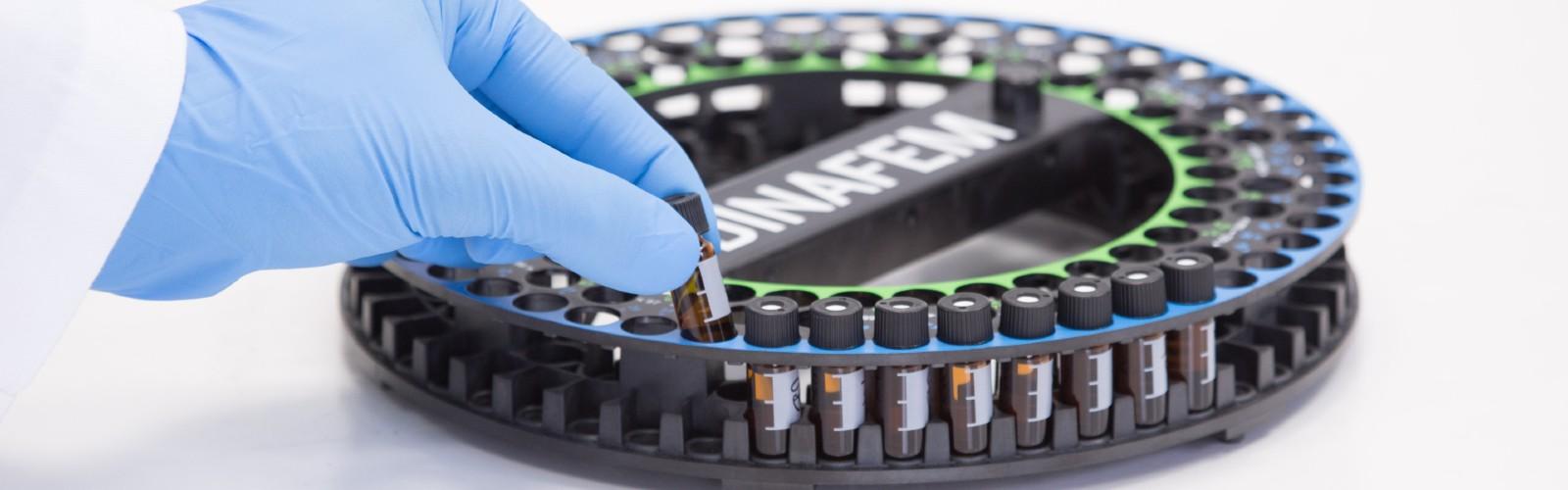
Researchers also recorded resting-state brain activity using electroencephalography (EEG) and conducted cognitive and behavioral assessments at different stages of the study. The strongest improvements were observed in visuomotor coordination, while receptive vocabulary and nonverbal intelligence also showed positive, although more modest, gains. In addition, clinicians reported calmer behavior in 68% of the children during treatment.
The results were not entirely consistent across participants. Some children experienced marked improvements, while others showed little change or even declined on certain measures. The authors emphasize that these findings should be considered promising signals rather than definitive conclusions, and that larger studies with longer follow-up periods are still needed. This variability is not entirely surprising. Autism is a broad spectrum characterized by highly diverse neurological and metabolic profiles.
The fact that a treatment works well for some children but only minimally for others does not weaken the value of the research. On the contrary, it raises the important question of who responds best and why. None of the findings suggest that CBD is a cure or a universal treatment for autism. What the study does conclude is that, in a subgroup of children with severe autism, CBD may improve specific areas of functioning-particularly those involving visual and motor neural circuits-and that EEG could eventually help identify which patients are most likely to benefit from treatment.
Source:
Cazares et al. (2026). Cannabidiol blood metabolite levels after cannabidiol treatment are associated with broadband EEG changes and improvements in visuomotor and non-verbal cognitive abilities in boys with autism requiring higher levels of support. Translational Psychiatry, 16, 109. doi.org/10.1038/s41398-026-03815-y
Comments from our readers
There are no comments yet. Would you like to be the first?
Leave a comment!Did you like this post?
Your opinion about our seeds is very important to us and can help other users a lot (your email address won't be made public).