

- After months of growing, keeping pests under control, monitoring your plants' nutrition, and patiently waiting for the trichomes to reach their optimal maturity, it would be a real shame to ruin the quality of your harvest during drying.
- However, it happens more often than many growers realize...
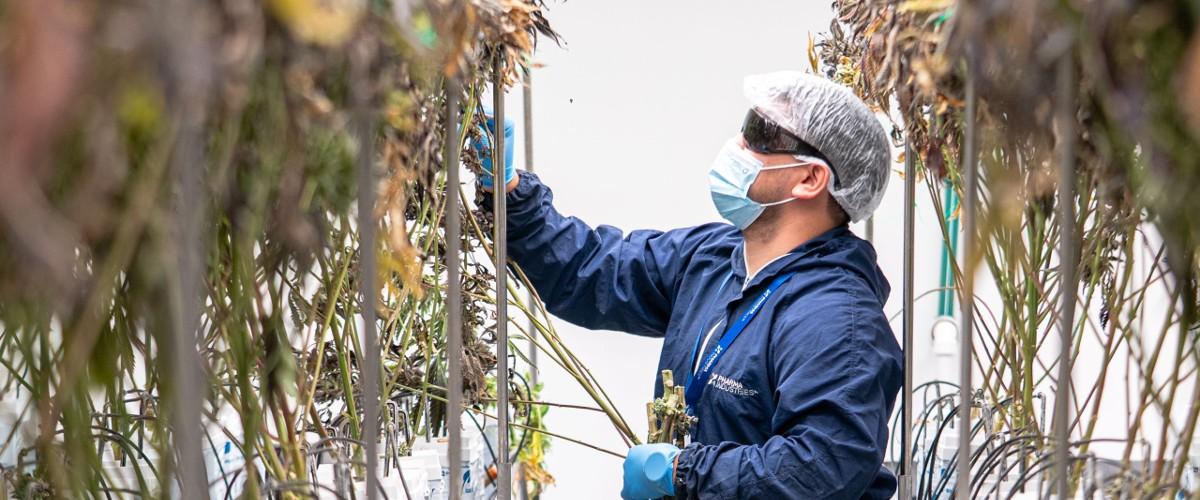
Drying cannabis is one of the most delicate stages of the post-harvest process, as the flowers still contain a significant amount of moisture and are particularly vulnerable to fungal growth.
Besides this risk, improper environmental conditions in your drying room can cause terpenes and other compounds responsible for cannabis' organoleptic properties to degrade. In other words, what could have been a harvest of flavorful cannabis buds may lose much of its aroma and taste simply because the right conditions weren't maintained during this stage.
In this article, we'll explore why mold develops during cannabis drying, how to recognize the main signs of contamination, and which other factors can compromise the safety and quality of your buds during this crucial stage.
Why Does Mold Develop When Drying Cannabis?
Fungi are naturally present in the environment, and their spores can be found in the air and on surfaces, even though we can't see them. Some species can also colonize cannabis plants while they're growing and remain in their tissues after harvest.
Mold is a silent enemy that shouldn't be underestimated. However, these microorganisms need favorable conditions to thrive, particularly when it comes to moisture and temperature. This is why drying can be such a critical stage: freshly harvested, moisture-rich cannabis flowers can provide the perfect breeding ground for fungal growth.
Pay Special Attention to Dense Buds
As we've just explained, drying is a potentially risky stage that many cannabis growers make the mistake of underestimating. This period becomes particularly delicate when dealing with strains that produce dense, tightly packed buds. Although these are often growers' favorites, their structure can make them more susceptible to fungal growth during drying.
Dense buds have a structure that makes it harder for moisture to evaporate evenly. As a result, the outer layers may dry out before the inner sections, creating significant differences in moisture content within the same flower.
Furthermore, certain infections, such as bud rot caused by Botrytis cinerea, can begin inside the buds and go unnoticed during the final stages of cultivation, particularly when infection occurs late in flowering. Therefore, if your drying room cannot maintain the temperature and humidity conditions needed to minimize fungal growth, you may want to consider growing strains that produce longer, airier buds, whose structure makes them less susceptible to these pathogens.
The Main Types of Mold That Can Contaminate Cannabis
Although we usually talk about mold as if it were a single problem, several different fungal genera can affect cannabis, and they don't all produce the same symptoms.
Botrytis cinerea: The Dreaded Gray Mold
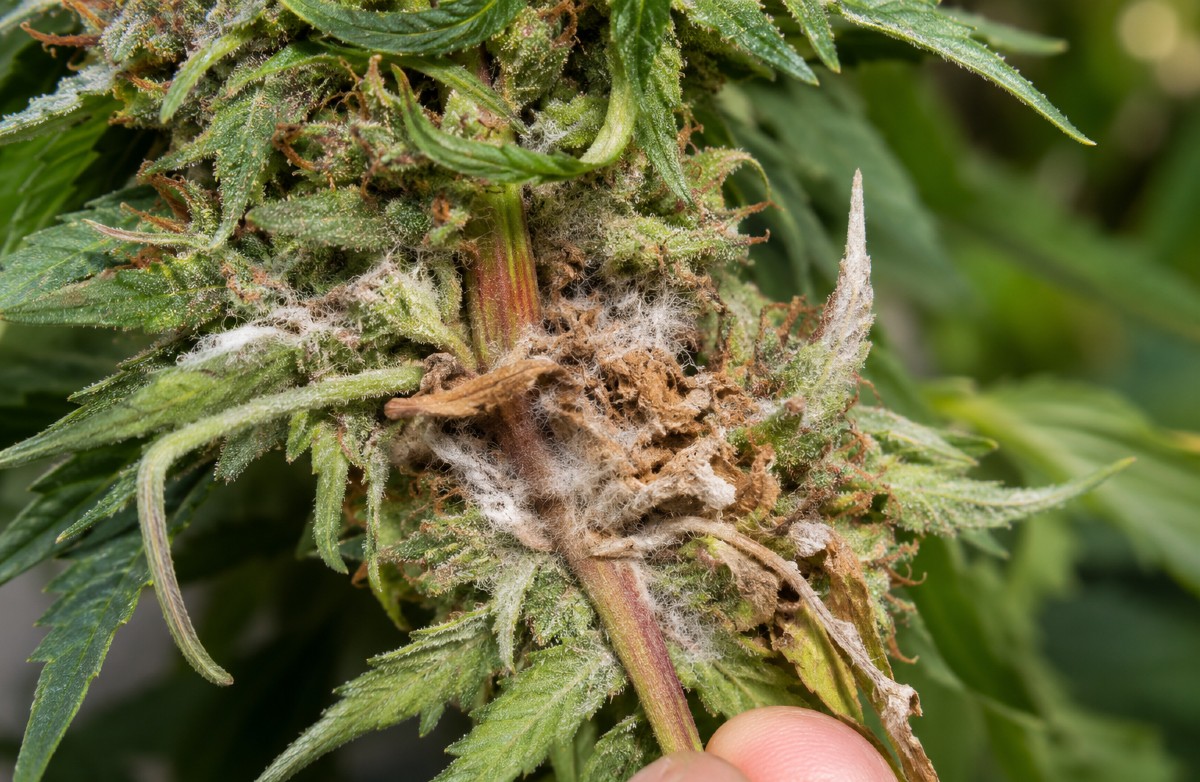
Botrytis is one of the best-known fungal pathogens among cannabis growers because it causes what is commonly known as "gray mold" or "bud rot." It can attack cannabis plants before harvest.
Infected areas typically develop brownish or grayish tissue that may become soft or necrotic. Under certain conditions, they may also develop a characteristic mass of gray spores. Although this fungus primarily appears during cultivation, an existing infection that went unnoticed or wasn't completely eliminated can continue to cause problems after harvest, especially if the plant material retains sufficient moisture.
Aspergillus: A Risk That Isn't Always Visible
This fungus is among those that can appear after harvest and may contaminate flowers that haven't been properly dried or cured. Inhaling Aspergillus spores can pose a particularly serious health risk to immunocompromised individuals or people with certain respiratory conditions.
Furthermore, some species can produce aflatoxins, a group of mycotoxins with harmful effects on human health. However, it's important to clarify that not all Aspergillus species produce these substances, and the presence of the fungus doesn't necessarily mean aflatoxins are present. Detecting Aspergillus in cannabis buds isn't always easy, as contamination can occur without any visible symptoms.
When the fungus develops visible colonies, however, they may have a powdery or velvety appearance, with colors ranging from green and yellow to brown or black, depending on the species. Musty odors or changes in plant tissue may also occur. Nevertheless, these signs aren't exclusive to Aspergillus, so the only reliable way to confirm its presence is through microbiological laboratory testing.
Penicillium and Other Environmental Fungi
Penicillium is a widespread genus of fungi that can grow on plant material when conditions are favorable, particularly when humidity is high. Some species can contaminate cannabis buds during drying and storage, causing them to deteriorate.
When visible colonies develop, they often appear as velvety patches or areas covered in a fine, powder-like substance, frequently bluish-green in color, although their appearance varies depending on the species. They may also produce a characteristic musty or moldy smell.
Other environmental fungi, such as Mucor and Rhizopus, can develop on damp plant material. They typically produce cotton-like growth that is initially whitish but may turn gray or darker as reproductive structures develop.
It's important to remember that the color and appearance of mold aren't enough to identify exactly which fungus is contaminating your buds. What really matters is understanding that if your cannabis is contaminated with mold, it is NOT safe to consume. Keep this in mind and don't put your health at risk.
How to Recognize Mold on Dried Cannabis Buds
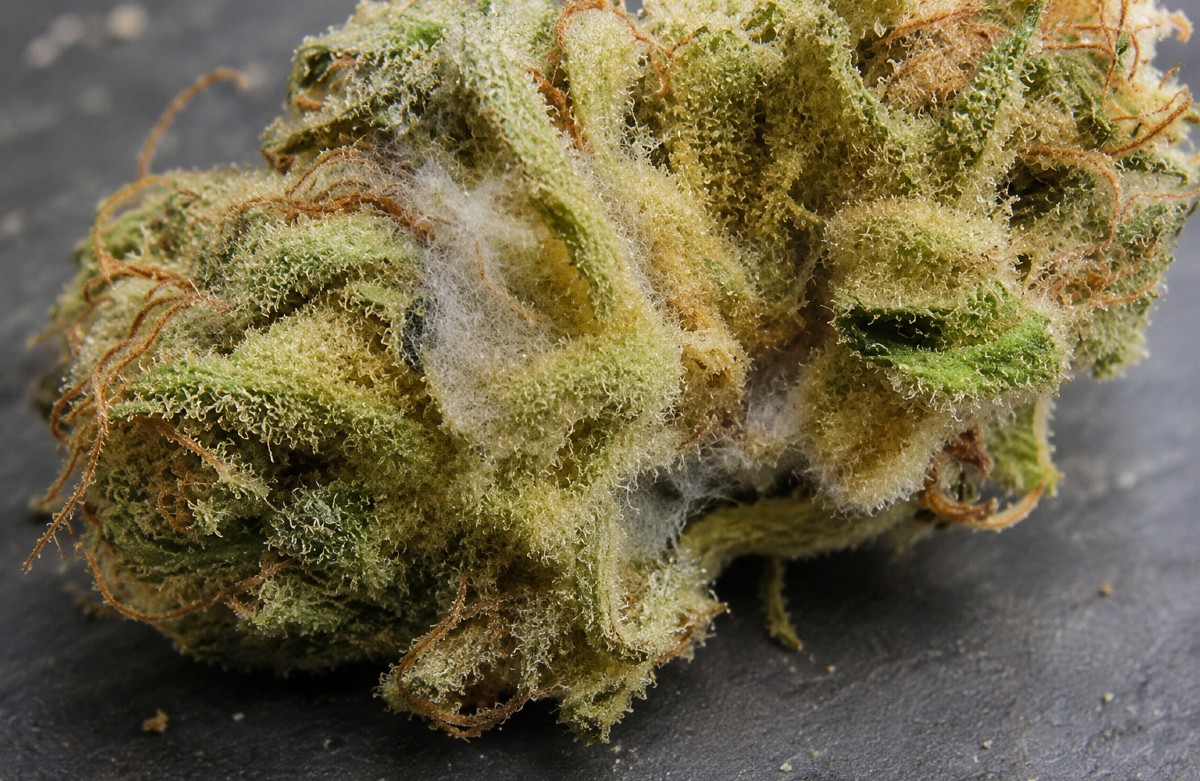
Even after drying is complete, it's important to discard any material showing signs of mold contamination. Warning signs include whitish or grayish patches with a cotton-like appearance, thread-like growth on the surface of the flowers, unusual discoloration, and plant tissue showing signs of decay. Musty, moldy, or decaying plant odors may also be present.
How Can You Tell the Difference Between Trichomes and Mold?
This is a common question, especially when examining particularly resinous buds. Glandular trichomes are characteristic structures found on cannabis flowers, and a successful grow should produce plenty of them, as they're responsible for producing and storing resin. Capitate-stalked trichomes have a rounded glandular head supported by a small stalk and, when viewed under magnification (using a jeweler's loupe, for example), display a relatively well-defined structure.
Mold, on the other hand, can develop a network of filaments known as mycelium, made up of structures called hyphae. Depending on the species and its stage of development, reproductive structures and spores may also be visible. Although these differences can be observed under a microscope, an ordinary grower's loupe isn't always enough to make a reliable identification. That's why, if you suspect contamination, you shouldn't rely on appearance alone.
Can Cannabis Have Mold Even If You Can't See It?
Yes. Microbial contamination can occur without producing any obvious visible signs. This is why professional quality control procedures include microbiological testing to detect and quantify certain microorganisms.
It's also important to remember that mycotoxins, when present, cannot be identified through a simple visual inspection.
Other Risks During Cannabis Drying
Mold is one of the most concerning problems, but it isn't the only one. During the cannabis drying and curing process, other changes can occur that affect the chemical composition and organoleptic quality of the flowers.
Terpene Loss and Aroma Degradation
Terpenes are volatile compounds responsible for much of the distinctive aroma of different cannabis strains. During drying, some can evaporate or undergo chemical changes, altering the flowers' original terpene profile.
Temperature, oxygen exposure, the duration of the drying process, and storage conditions all influence these changes. As a result, the same cannabis genetics can develop noticeably different aromas depending on how the flowers are handled after harvest.
Uneven Drying and Residual Moisture: How Can You Tell If Your Buds Are Really Dry?
One of the most common problems when drying cannabis is that buds lose moisture unevenly. Their outer layers may feel completely dry while the inside still contains a significant amount of moisture, especially in larger, denser flowers.
If too much residual moisture remains, it can encourage mold growth during storage. But how can you tell whether your buds are dry enough?
Although no single home test can guarantee that your buds have reached the ideal moisture level, several signs can help you assess their condition:
- The stem snap test: if thinner stems bend easily without much resistance, they may still contain considerable moisture. If they snap with a slight cracking sound, it's a useful indication that drying is well advanced. However, this isn't a definitive test, as stems and buds don't lose moisture at the same rate.
- Bud texture: the flowers shouldn't feel damp, soft, or sticky because of excess moisture. A dry surface doesn't necessarily mean the inside is equally dry, so pay particular attention to denser buds.
- Inside the buds: carefully opening a sample bud allows you to check for visibly damp areas, deteriorating tissue, or signs of mold that aren't noticeable from the outside. Even so, this inspection cannot measure residual moisture or rule out invisible contamination.
- A digital hygrometer: this small device measures relative humidity and can help you identify potentially problematic storage conditions. However, an ambient humidity reading isn't the same as directly measuring the water available inside the buds.
The key is not to rely on a single indicator. Just because a stem snaps or the buds feel dry doesn't necessarily mean moisture has been distributed evenly or that the product is free from contamination. If you notice musty odors, suspicious patches, or signs of deterioration, don't assume that drying the flowers for longer will solve the problem. Contaminated cannabis doesn't become safe simply because it loses more moisture.
Cross-Contamination
Surfaces, tools, containers, dust, and other materials that come into contact with your buds can also become sources of contamination. It's also important to remember that cross-contamination isn't limited to fungi: it can involve bacteria, airborne particles, and other contaminants.
How to Prevent Mold and Contamination During Cannabis Drying
Prevention is every grower's best weapon. During cannabis drying and curing, the goal should be to minimize the conditions that encourage flower deterioration and prevent new contaminants from being introduced.
Environmental Control
You don't need a professional setup to monitor the conditions in your drying space. A digital thermo-hygrometer that measures temperature and relative humidity can help you detect environmental changes that may encourage mold growth.
Keep in mind that humidity isn't always distributed evenly. For example, damp areas may develop near cold walls, windows, or surfaces where condensation forms. If you notice water droplets, damp patches, or a persistent stale, musty smell, it's worth investigating the cause and addressing the problem.
It's also important to check environmental conditions at different times of day, as temperature and humidity can vary considerably between morning and night.
Keeping Your Drying Space and Equipment Clean
Another aspect you shouldn't overlook is cleanliness. Even if you're drying a small homegrown harvest, dust, plant debris, and damp surfaces can encourage the presence of microorganisms. Before using any space or equipment that will come into contact with your flowers, make sure it's clean, dry, and free from visible mold.
Pay particular attention to surfaces where moisture tends to accumulate and equipment that has been stored for a long time. If you discover flowers showing suspicious signs of contamination, keep them away from the rest of your harvest and wash your hands after handling them.
Inspecting Your Buds: What to Look Out For
During the post-harvest process, get into the habit of checking your flowers from time to time, especially the largest and densest buds, where certain problems can go unnoticed.
Watch for grayish, whitish, or greenish patches, web-like structures, brown or deteriorating plant tissue, and unusual musty odors.
A magnifying loupe can help you examine suspicious areas, but remember that not all fungi are visible and their appearance alone isn't enough to identify the species reliably. If you're unsure about a bud, don't consume it!
What Should You Do If You Find Mold in Your Cannabis Harvest?
If you discover a grayish, cotton-like patch inside one of your buds while inspecting your harvest, you might be tempted to cut away the affected area and keep the rest, especially after all the hard work you've put into growing it. However, let us tell you: this is NOT a good idea.
Fungi can spread their filaments through plant tissue beyond the visibly affected areas. Therefore, removing the moldy section doesn't guarantee that the rest of the bud is safe.
If you find mold, avoid shaking or unnecessarily handling the affected flowers, as this could spread spores. Discard the contaminated material and check whether any buds that came into contact with it show similar signs. Don't attempt to salvage moldy buds using washing, heat, or homemade remedies either. Although some treatments may reduce certain microorganisms, they don't guarantee the elimination of all contaminants or potentially present mycotoxins.
Can You Use Moldy Cannabis to Make Hash or Extracts?
You may have heard that a moldy cannabis harvest can still be used to make hash, rosin, or other concentrates. However, this practice doesn't guarantee that the resulting product will be safe, as extraction processes don't necessarily eliminate spores, microorganisms, or toxic substances that may be present in the starting material.
Therefore, DO NOT use mold-contaminated cannabis flowers to make products intended for consumption, regardless of the extraction method.
From Drying to Curing: The Risk Doesn't End When Your Buds Feel Dry
Just because your buds have lost much of their moisture doesn't mean they can no longer develop mold. If too much water remains inside, problems may arise during storage, even if the flowers initially appeared to be in good condition.
Don't simply put your buds into glass jars and forget about them. Keep an eye on your storage containers. If you notice condensation, a moldy smell, or signs of deterioration when checking a jar, there's a good chance those flowers are contaminated. A jar of buds that you open for burping (approximately once a day for about an hour during the initial curing stage) should smell wonderful, like cannabis, not mold or dampness. Be suspicious of any unusual odors.
And if that happens, don't assume that leaving the jar open or drying the buds for longer will eliminate possible contamination. If your buds have mold, they need to be discarded.
Ultimately, a successful harvest doesn't end when you cut down your plants. Drying and curing also determine the quality of your flowers and, above all, their safety. After months of dedication, it's worth paying attention to these final details. Losing a few buds can be frustrating, but consuming contaminated cannabis can have far more serious consequences.
Comments from our readers
There are no comments yet. Would you like to be the first?
Leave a comment!Did you like this post?
Your opinion about our seeds is very important to us and can help other users a lot (your email address won't be made public).