

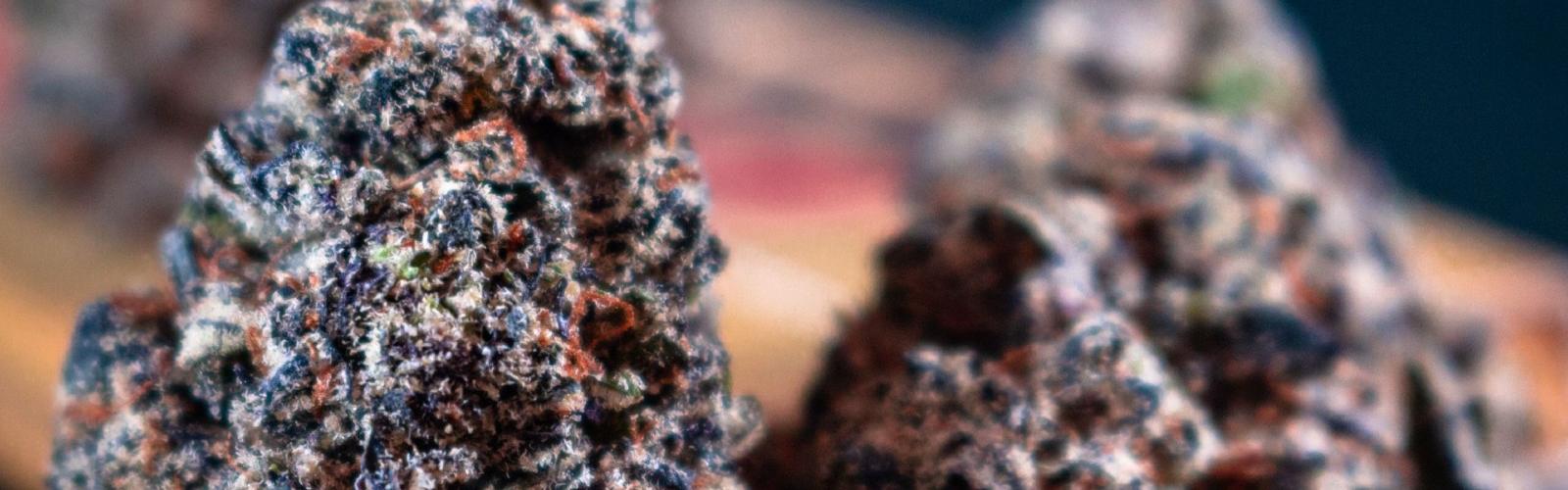
- Within the 420 niche on social media, algorithms reward visual appeal above all else: dense, purple buds coated in resin, sparkling under the macro lens of a 50-megapixel camera.
- These images generate far more engagement than any chromatographic analysis ever could. The problem is that this image—the perfect bud, frosty and rock-hard—has ingrained a false equation into the collective imagination: beautiful bud = better cannabis.
- In this article, we've explained why that equation is not always accurate and why relying too heavily on appearances does not necessarily benefit consumers, growers, or the continued evolution of cannabis culture.
"Bag Appeal": When Marketing Enters the Grow Room
The term bag appeal refers to the visual characteristics that make a cannabis bud irresistible at first glance: size, density, color, apparent trichome coverage, the presence of orange pistils, and so on.
Historically, this was the dominant criterion in the black market, where laboratory testing was unavailable. If a bud looked good, it sold well; if it was loose and airy, it was often considered inferior. The problem is that this underground-market logic has migrated-and intensified-in the digital era. Cannabis Cups, specialized forums, and especially Instagram and TikTok have elevated bag appeal into an aesthetic category of its own, often disconnected from the actual experience the flower delivers. As a result, some varieties have been bred for generations to produce visually spectacular flowers, sometimes at the expense of biochemical depth and complexity.
Density Is Not a Reliable Indicator of Potency
Dense buds carry significant visual prestige, and it's easy to understand why. A compact flower conveys abundance; it appears heavier, frostier, and more "premium." On dispensary shelves or in photographs, it usually wins quick comparisons simply because it grabs attention before it is ever consumed. However, flower density depends on many factors: genetics, floral structure, cultivation conditions, light intensity, nutrition, temperature, humidity, harvest timing, and post-harvest handling.
Some varieties naturally produce very compact flowers, while others develop more open buds with wider calyx spacing and a less dense overall structure. That does not automatically make one better or worse than the other; they are simply different cultivars with distinct morphologies. The obsession with hard, dense buds stems partly from commercial considerations. Compact flowers transport more easily, occupy less space, weigh more per unit, and are easier to sell in markets where consumers often make purchasing decisions within seconds.
Many classic sativa genetics, Haze varieties, and long-flowering tropical cultivars, however, produce naturally airier flowers. Not because they lack quality, but because of their adaptation, morphology, and genetic heritage. These plants evolved in environments with different humidity levels, airflow conditions, and growth cycles. Their beauty is not always found in density; it can also be found in their vibrant aromas, deep spicy notes on the palate, the clarity of their effects, and the way their fragrance unfolds when the flower is broken apart.
The structure of a cannabis flower-whether compact or airy-is determined primarily by genetics, not by cannabinoid concentration. Indica-dominant varieties tend to produce denser, more compact, spherical flowers, reflecting their ancestry in colder, drier regions where shorter flowering cycles and tighter structures offered evolutionary advantages. Sativas and tropical hybrids, on the other hand, often develop elongated flowers, foxtailing, or naturally airy structures that may appear "unfinished" at first glance while housing exceptionally complex terpene profiles.
An airy cannabis bud is therefore not necessarily low quality, just as a dense bud is not automatically potent. What truly determines potency-understood in its broadest sense, not merely THC percentage-is the quality and density of the trichomes, cannabinoid concentration, terpene richness, and the synergy among all these compounds. None of those factors can be accurately evaluated from a quick glance at an Instagram photo.
What Makes a Cannabis Flower High Quality?
A high-quality cannabis flower combines several essential elements:
- Strong genetics
- Proper cultivation practices
- Harvesting at the right moment
- Drying and curing processes that preserve what the plant spent weeks building
Genetics define a plant's potential. They do not guarantee the final outcome, but they establish the range of possibilities: which cannabinoids the plant can produce, which terpene combinations are likely to dominate, what floral structure it will develop, how vigorous it will be, and how it will perform under different environmental conditions. Cultivation is what allows that potential to be expressed. Exceptional genetics grown poorly can result in a disappointing harvest, while a less flashy cultivar in the hands of a skilled grower can deliver a far more rewarding experience.
And then there is the stage that many people overlook: the end of the process. A flower may have tremendous potential at harvest and still lose much of its character if it is dried too quickly, exposed to excessive heat, cured improperly, or stored without care. Terpenes-the molecules responsible for cannabis flavor and aroma-are volatile compounds and can degrade easily when exposed to high temperatures or when drying and curing are not carried out correctly.
The final aroma of a cannabis flower often tells us more about its quality than its appearance ever could. True quality reveals itself in layers: appearance, aroma, texture, combustion or vaporization, flavor, effect, and persistence. Aesthetics play a role, but they should never be the deciding factor.
Appearance, Cannabinoids, and Terpenes: Three Different Layers
A bud may look extremely potent and turn out to be relatively average, while another may appear fairly unremarkable and then prove exceptional during consumption. Potency is usually associated with THC content, but even that perspective is limited. Two cannabis flowers with similar THC percentages can produce dramatically different experiences. The difference often lies in the complete profile: minor cannabinoids, terpene composition, ratios between compounds, freshness, and storage conditions.
Terpenes are particularly important because they create the flower's aromatic identity. Molecules such as limonene, myrcene, and pinene contribute much more than aroma; they also influence how the experience is perceived through what is known as the "entourage effect." For example, a flower rich in terpinolene may feel herbal, uplifting, and expansive. A myrcene-dominant flower may come across as heavier, more mature, and more enveloping, often producing a more sedating effect. Cannabis rich in caryophyllene, meanwhile, may offer a spicy, dry, and almost warming character. None of these qualities can be determined simply by looking at whether a bud is hard or fluffy. The eye can be misleading because it only reveals a small part of the story.
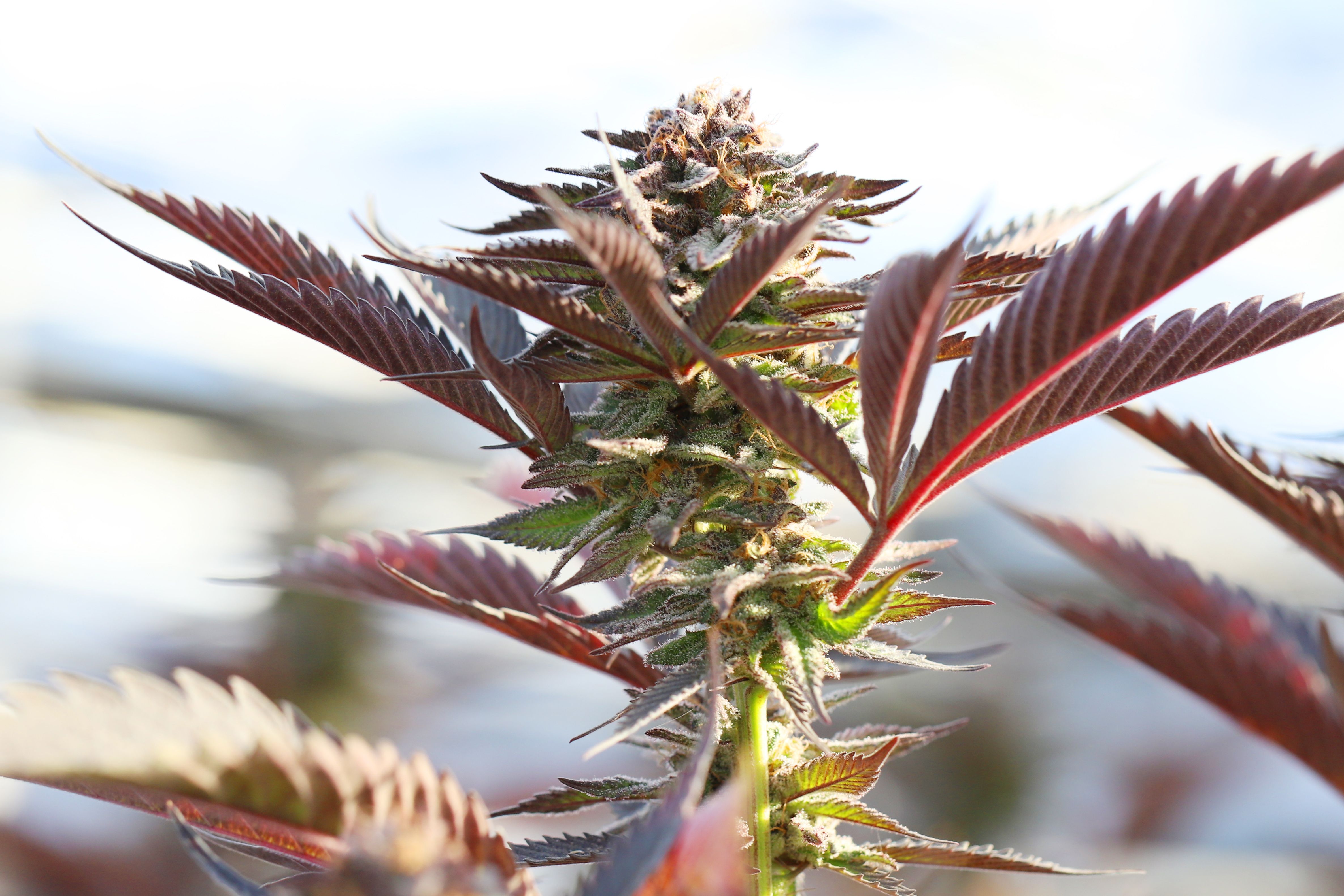
The same applies to color. Highly prized purple hues may result from genetics, environmental temperatures, or anthocyanin expression. They are certainly attractive, but a purple flower is not automatically more potent or higher in quality. It may simply appear more exotic or visually striking. Likewise, a plain green flower without dramatic coloration can still possess an outstanding chemical profile.
The same principle applies to visible resin. A heavy coating of trichomes is generally a positive sign, but quantity alone is not everything. What truly matters is the maturity of those trichomes, their composition, and how well they have been preserved. Some flowers sparkle impressively yet offer very little aroma, while others may look less spectacular but fill an entire room with fragrance as soon as they are broken apart.
How Can You Tell When a Cannabis Flower Is Truly High Quality?
Bag appeal can serve as an initial quality indicator, but if you want a more accurate assessment, you need to look beyond appearance. What should you prioritize? The answer has several layers:
- Aroma: This is the most direct indicator of terpene richness. A complex, intense aromatic profile that evolves when the bud is broken apart is a sign of strong terpene development and proper preservation. A flower that smells like hay-or has little aroma at all-has almost certainly lost much of its terpene content due to poor drying practices.
- Trichomes under magnification: Quantity is not the only thing that matters; quality is crucial. Look for intact, spherical trichome heads with a milky or slightly amber appearance, depending on the desired effect. Avoid flowers with damaged or transparent trichomes.
- The genetics behind the product: Seed banks that work with rigor-through years of phenotypic selection, laboratory testing, and honest communication about the characteristics of their cultivars-offer a level of assurance that no photograph can provide. The difference between a well-developed genetic line and a trendy variety bred primarily for visual appeal inevitably becomes evident in the final experience.
- The drying and curing process: Whenever possible, it should be discussed just as naturally as genetics. Growers who pay close attention to these stages are the ones who truly respect all the work that came before them. Aesthetics are undeniably part of the cannabis experience, and it would be absurd to deny that. A well-formed, resinous, clean, and carefully handled flower communicates craftsmanship and attention to detail.
However, appearance should never become the sole parameter by which we judge a cannabis flower. Cannabis is far too complex to be reduced to density, color, and shine alone. The next time you encounter a flower that appears less compact, it may be worth pausing before dismissing it. Smell it. Break it apart. Observe its texture. Ask yourself what genetics are behind it, what kind of effects it produces, and what aromas it releases.
Because the most beautiful flower is not always the most potent, and the most potent flower is not always the most interesting.
Comments from our readers
There are no comments yet. Would you like to be the first?
Leave a comment!Did you like this post?
Your opinion about our seeds is very important to us and can help other users a lot (your email address won't be made public).