

- When we talk about cannabis compounds and their potential medical applications, the same two names almost always come up: THC and CBD.
- However, the cannabis plant produces more than a hundred phytocannabinoids, and many of them remain largely unexplored by science.
- One of them is cannabichromene (CBC), a compound that has recently caught researchers' attention because of its potential interaction with a protein involved in melanoma, one of the most dangerous forms of skin cancer.
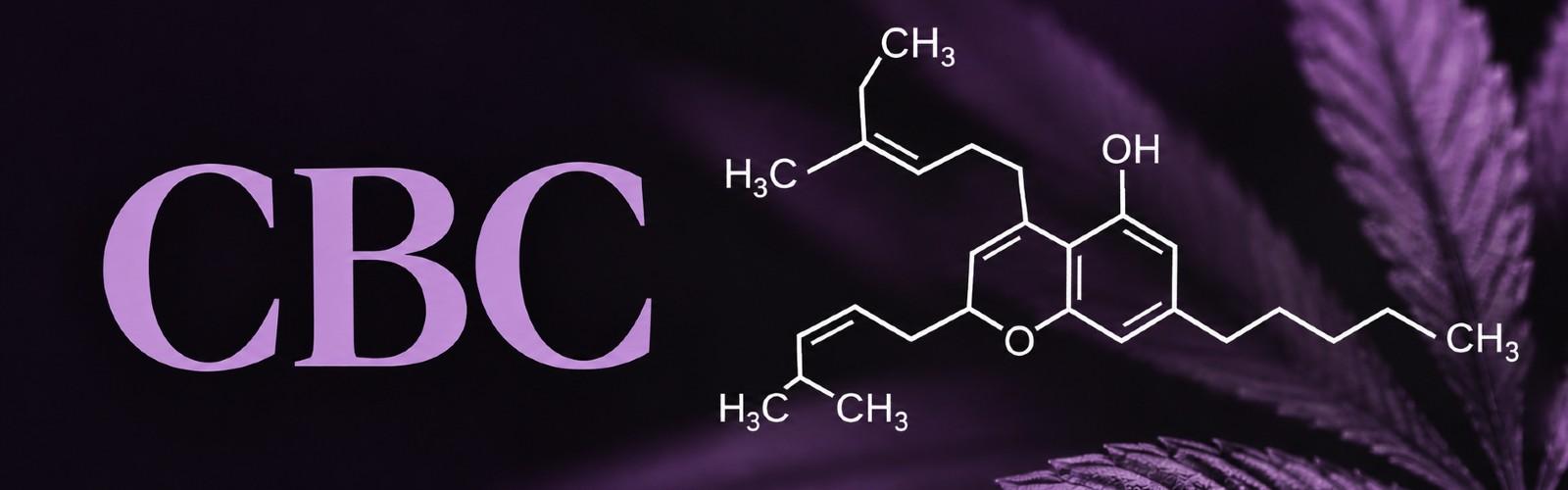
A new study entitled Phytocannabinoids: Promising New Candidates for TYRP1 Protein Inhibition in Melanoma (1) has used computer simulations to investigate the ability of certain cannabinoids to interact with TYRP1, a protein involved in melanin production and certain biological processes associated with melanoma.
The findings highlight CBC as a particularly interesting candidate for further research. But what exactly does this discovery mean? Could this cannabinoid one day become a useful tool in the fight against skin cancer? Let's take a closer look at what the science actually tells us.
What is melanoma?
Melanoma is a type of skin cancer that develops in melanocytes, the cells responsible for producing melanin, the pigment that gives our skin, hair and eyes their colour.
Although melanoma is less common than other types of skin cancer, it is particularly concerning because of its ability to spread to other organs if it is not detected and treated early.
One of the main risk factors is exposure to ultraviolet (UV) radiation, whether from sunlight or tanning beds. However, genetic factors and changes in the mechanisms that regulate cell growth and survival also play a role in its development. Over recent decades, scientific research has led to innovative treatments such as immunotherapy and targeted therapies, which have significantly improved outcomes for many patients.
Even so, some melanomas develop resistance to existing treatments, making the search for new therapeutic targets an ongoing priority.
And this is where a protein called TYRP1 comes into the picture.
TYRP1: the protein that has caught researchers' attention
TYRP1, short for Tyrosinase-Related Protein 1, is a protein involved in melanin production. To understand its role, we first need to look at a process called melanogenesis, through which melanocytes produce the pigments that determine our skin colour. Several proteins and enzymes are involved in the formation and regulation of melanin, and TYRP1 is one of them.
However, its scientific relevance goes beyond pigmentation. This protein is also expressed in certain melanoma cells and has been investigated for its potential use as both a biomarker and a therapeutic target.
The idea behind the study mentioned above is relatively straightforward: if certain compounds could interfere with TYRP1 activity, they might also influence some of the biological processes associated with melanoma. However, there is an important distinction to make: just because a protein is involved in a disease does not necessarily mean that blocking it will stop the disease. To determine whether this could become an effective approach against melanoma, researchers first need to investigate what actually happens when its activity is altered in living cells and organisms.

What is CBC, and how does it differ from other cannabinoids?
Cannabichromene, commonly known as CBC, is one of the phytocannabinoids naturally produced by the cannabis plant. Although it receives far less attention than THC or CBD, it is by no means a newly discovered molecule. CBC was identified decades ago and has since attracted scientific interest because of its potential therapeutic properties.
Unlike THC, CBC does not produce intoxicating psychoactive effects. As with other phytocannabinoids, its biological activity is not necessarily limited to the classical cannabinoid receptors, which is why researchers are investigating how it interacts with different proteins and cellular systems.
In recent years, several preclinical studies have explored the potential effects of CBC on inflammation and other biological processes. However, significant gaps remain in our understanding of its effectiveness, safety and behaviour in the human body.
This new study adds another avenue of investigation: its potential interaction with TYRP1.
How did researchers discover CBC's potential against melanoma?
The research was carried out by a team of scientists affiliated with Hassan II University in Casablanca, Morocco, using a methodology known as in silico research. The expression literally means "in silicon" and refers to studies conducted using computer models and simulations. So, rather than administering cannabinoids to patients or experimenting directly on tumour cells, the scientists used computational tools to investigate how certain cannabis compounds might interact with the TYRP1 protein.
Molecular docking: finding out whether two molecules fit together
One of the techniques used was molecular docking. To understand how it works, imagine a protein as a three-dimensional structure with different pockets and interaction sites. Molecules that come into contact with it may fit better or worse depending on their shape, chemical composition and distribution of electrical charges. Molecular docking software allows scientists to predict how a molecule might bind to a protein and estimate the binding affinity of that interaction.
In this case, the researchers analysed several phytocannabinoids to determine which showed the strongest predicted affinity for TYRP1. CBC stood out for its high predicted binding affinity, prompting the team to investigate it in greater detail. However, it is important to emphasise that a strong binding affinity predicted by a computer model does not prove that a molecule can actually inhibit a protein's activity.
Simulations to assess the stability of the interaction
Following the molecular docking analysis, the researchers performed molecular dynamics simulations using GROMACS software. These tools allow scientists to observe how a protein and a molecule behave virtually over a simulated period, taking their movements and interactions into account.
The aim was to determine whether the complex formed by CBC and TYRP1 remained stable or whether the interaction weakened over time. According to the published findings, the interaction between CBC and the protein remained stable throughout the simulation period. This strengthens the case for investigating CBC further through experimental testing, although it does not yet demonstrate that the cannabinoid can slow the growth of cancer cells.
What did the researchers discover about CBC absorption and toxicity?
A molecule may show a promising interaction with a protein and still prove unsuitable as a medicine. For example, the body might not absorb it effectively, it could break down too quickly, or it might cause toxic effects. For this reason, the researchers also examined the predicted pharmacokinetic and toxicological properties of CBC. They used ADMET models, which estimate how a substance is absorbed, distributed, metabolised and excreted, as well as its potential toxicity.
The results suggested that CBC could have good intestinal absorption and moderate transdermal permeability, meaning that it may have some capacity to pass through the skin. The researchers also used ProTox-II, a computational tool that predicted a low-toxicity profile for this cannabinoid.
Although these findings are interesting, it is essential to remember that they are computer-generated predictions, not clinical evidence of safety. The actual toxicity of a substance depends on numerous factors, including dosage, route of administration, duration of exposure and metabolism. None of these questions can be considered resolved on the basis of simulations alone.
Does this mean CBC can fight skin cancer?
Not yet. And this is probably the most important point to understand about the entire study. The researchers identified a potential interaction between CBC and a protein associated with melanoma, but they did not demonstrate that this cannabinoid can prevent, stop or treat the disease.
Before moving towards any potential therapeutic application, researchers would first need to establish whether CBC actually inhibits TYRP1 activity through biochemical assays. They would then need to investigate its effects on melanoma cells and determine whether these changes have any meaningful impact on tumour cell growth, survival or behaviour.
Only if those results proved favourable would it make sense to proceed with more extensive preclinical research and, eventually, clinical trials involving humans. Researchers would also need to establish whether targeting TYRP1 represents an effective and safe therapeutic strategy.
Therefore, this discovery does not mean that consuming cannabis, using CBC products or applying cannabinoids to the skin can treat melanoma. Nor should it be interpreted as an alternative to existing cancer treatments.
Minor cannabinoids: a new frontier in scientific research
For a long time, much of the scientific research into cannabis has focused on THC and CBD. However, the plant contains numerous compounds that scientists have only just begun to investigate in depth. Cannabinoids such as CBC, CBG and THCV have different chemical structures and properties, opening up opportunities to explore how they interact with a variety of biological targets.
This does not mean that all of them will become medicines, or that potential effects observed in the laboratory can automatically be replicated in the human body. What makes this field interesting is that scientific research is gradually turning its attention towards compounds that have spent decades in the shadow of better-known cannabinoids. The study on CBC and TYRP1 is a good example. Its findings do not demonstrate that CBC is effective against melanoma, but they do provide a specific hypothesis that can now be tested experimentally. And that is precisely how science moves forward: by identifying possibilities, putting them to the test and ruling out those that do not stand up to scrutiny.
Perhaps CBC will eventually find an application in this field, or perhaps further research will show that its interaction with TYRP1 has no therapeutic relevance. It is still too early to tell. What we can say is that the pharmacological potential of minor cannabinoids remains an open field of research, and studies like this help identify new questions worth investigating.
Reference study:
- Ghicha, I. et al. Phytocannabinoids: Promising New Candidates for TYRP1 Protein Inhibition in Melanoma. DOI: 10.2174/0115701638484197261028103517. View on PubMed.
Comments from our readers
There are no comments yet. Would you like to be the first?
Leave a comment!Did you like this post?
Your opinion about our seeds is very important to us and can help other users a lot (your email address won't be made public).