

- Using cannabis can trigger a number of immediate side effects that some may find unpleasant — and which include a racing heartbeat.
- But why does this happen? Is it dangerous or just a temporary reaction?
- In this post, we’ll reveal why marijuana raises your heart rate, the mechanisms behind this phenomenon, and everything you need to know about it according to science.

You may have experienced what is known as cannabis-induced tachycardia at some point. This reaction is one of the most consistent physiological effects caused by THC (tetrahydrocannabinol). But what's exactly going on inside your body for this to happen? Is it simply a response to anxiety, or are there more complex biological mechanisms at play?
Get ready to dive into your cardiovascular system to finally understand the science behind those pounding heartbeats.
Why Does My Heart Race When I Use Marijuana?
If you've ever wondered whether that sensation is all in your head, then let us assure you right now - it's not: It's your body's real, physical reaction to THC.
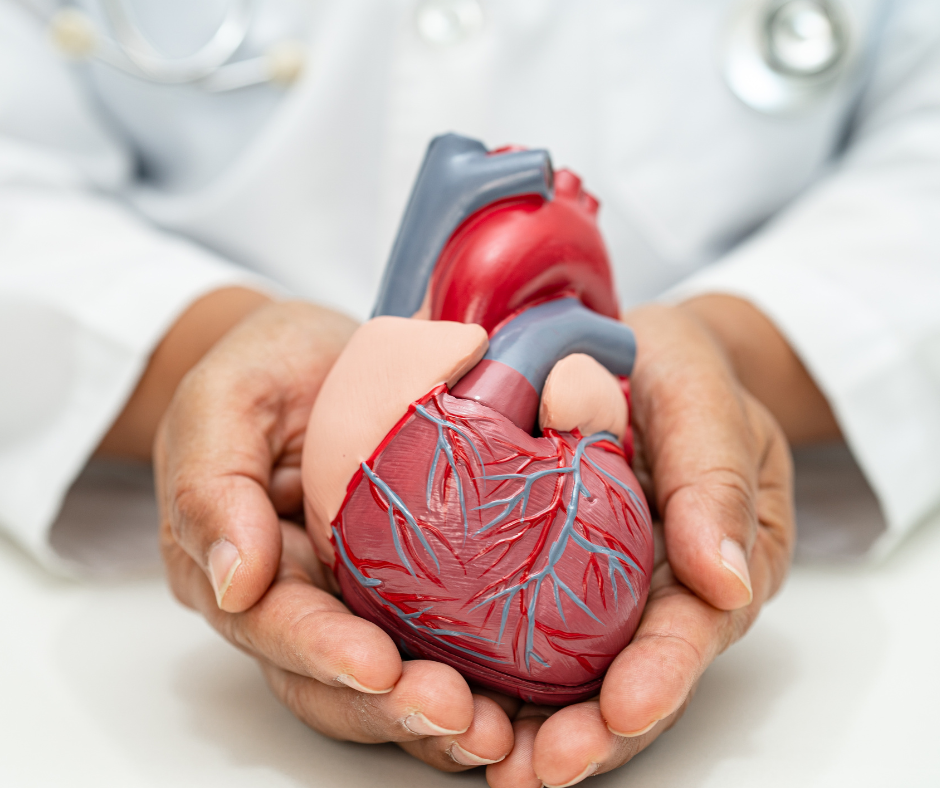
Multiple clinical studies have shown that after consuming cannabis -especially by inhalation-, the heart rate can increase anywhere from 20 to 100%, with its effect lasting between two and three hours. In other words: If your resting heart rate is usually 70 beats per minute, it could easily climb to 100 or more after using marijuana.
You're also more likely to notice this effect if you consume only occasionally or have a low tolerance to THC.
Heart and Cannabis: The Science Behind a Racing Pulse
To understand the physiological processes behind this effect, we first need to look at one of the body's most efficient "autopilot" systems: the Autonomic Nervous System (ANS). This system regulates all the functions we don't consciously control, such as breathing, digestion, and of course, heart rate.
The ANS has two main branches with opposite functions:
- The sympathetic nervous system: our "accelerator pedal". It is activated in moments of stress, releasing certain hormones that increase heart rate and blood pressure - essentially preparing the body for the well-known "fight or flight" response.
- The parasympathetic nervous system: the "brake". It takes over during periods of calm (rest, digestion, etc.), slowing the heart rate and promoting recovery. When THC enters the bloodstream, it temporarily disrupts this balance by stimulating the sympathetic nervous system.
This causes the sympathetic nerve endings to release more norepinephrine, sending your heart a clear signal: "Time to speed up!". This is the first key mechanism as well as the most direct.
Vasodilation and Reflex Tachycardia
But that's not the whole story. The most significant effect of THC on the cardiovascular system occurs through vasodilation, mediated by the CB1 receptors in the endocannabinoid system. These receptors are spread throughout the body and are particularly abundant in certain areas of the brain and in the cells lining our blood vessels.
THC has a great affinity with these receptors and binds strongly to them, sending a signal for the smooth muscles in the walls of arteries and capillaries to relax. The result? Blood vessels expand.
This widening is also responsible for one the most well-known side effects of cannabis: red eyes. This symptom that many users try to conceal is simply the scleral capillaries (the tiny vessels in the white part of the eyes) dilating and allowing more blood to flow.
However, widespread vasodilation has an important consequence: it causes a temporary drop in blood pressure. The body quickly detects this drop, and the brain interprets it as a signal to increase the pumping rate to keep blood and oxygen flowing - especially to the brain itself.
This compensatory reaction is what doctors call reflex tachycardia: the heart speeds up to counteract the drop in blood pressure caused by THC-induced vasodilation. This is the primary mechanism behind increased heart rate induced by cannabis use.
H2: Every Body Is Different
The intensity of this cardiac reaction varies depending on several factors: Dosage: The higher the THC intake, the stronger the increase in heart rate.
- Method of consumption: Smoking or vaping delivers THC into the bloodstream almost instantly, causing a sharp spike and almost immediate tachycardia. Edibles, on the other hand, have a slower onset, but the effect on the heart rate can be more intense and longer lasting once THC is metabolised by the liver.
- The role of CBD: Unlike THC, cannabidiol (CBD) does not cause tachycardia. In fact, preliminary studies suggest that this cannabinoid could mitigate some of the cardiovascular effects induced by THC. Strains with more balanced THC:CBD ratios may therefore produce a milder experience on the heart.
- Individual physiology: Factors such as the level of tolerance (chronic users often experience less pronounced effects), cardiovascular health, and predisposition to anxiety all play a key role.
H2: When Should I Be Concerned? Responsible Use and Risk Reduction
For the vast majority of cannabis users in good cardiovascular health, this temporary increase in heart rate does not pose a significant danger. The body is fully equipped to handle such fluctuations.
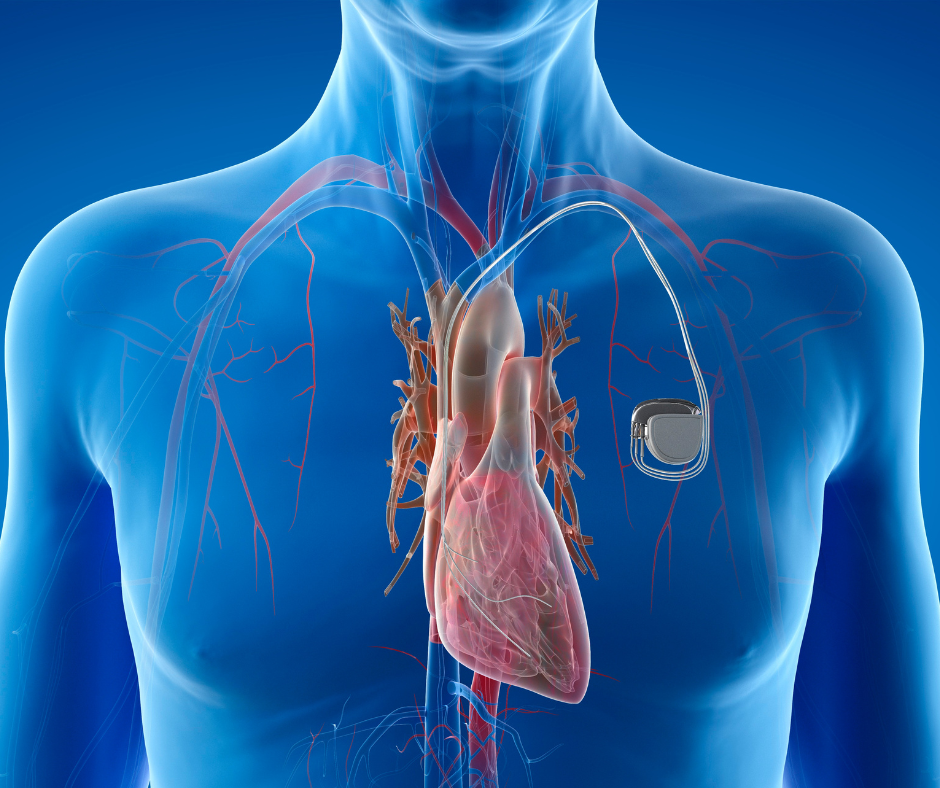
However, it's crucial to be responsible and recognise that high-THC cannabis may carry real risks for individuals with pre-existing heart conditions. Increased cardiac workload and myocardial oxygen consumption could in theory be problematic for vulnerable people. If you suffer from high blood pressure or arrhythmias, or have a history of heart attack or any other cardiovascular disease, it's very important that you check with your doctor before using cannabis.
On top of that, the very sensation of a racing heart can trigger anxiety or even panic, creating a feedback loop where anxiety accelerates the heart further, and vice versa. If you experience an uncomfortable tachycardia, remember these tips:
- Stay calm: Remind yourself this is a normal, temporary physiological effect of THC.
- Breathe deeply: Slow diaphragmatic breathing can help activate your parasympathetic system and counteract the sympathetic response. Stay hydrated: Drink water and try to relax.
- Consider CBD: Having CBD oil at hand can help you modulate the intensity of the experience. Now that you know the science behind those infamous cannabis-induced "tachycardias", you'll understand it's not "all in your head" the next time you feel your heart racing after consumption.
This is a predictable physiological response triggered by THC through the activation of the sympathetic system and, most importantly, a reflex response to the vasodilation it causes. Having information backed by science helps us to better understand our bodies and reduce the risks associated with the use of marijuana.
In essence, it makes us better informed and more responsible users. Only then can we make conscious choices about which strains to grow, how to adjust the dosage, and ultimately, how to safely enjoy the cannabis experience with greater peace of mind.
Comments from our readers
There are no comments yet. Would you like to be the first?
Leave a comment!Did you like this post?
Your opinion about our seeds is very important to us and can help other users a lot (your email address won't be made public).