

- You’ve invested time and resources into your grow, and finally the moment has come to reap the rewards of all your hard work… It’s the end of the flowering phase and you’re faced with one of the most crucial decisions: When to cut your plants?
- Harvesting at the wrong time can ruin all your efforts, leaving you with buds that lack potency or with effects that aren’t what you were aiming for. Keep reading to learn how to tell when the time has come based on your tastes and goals.
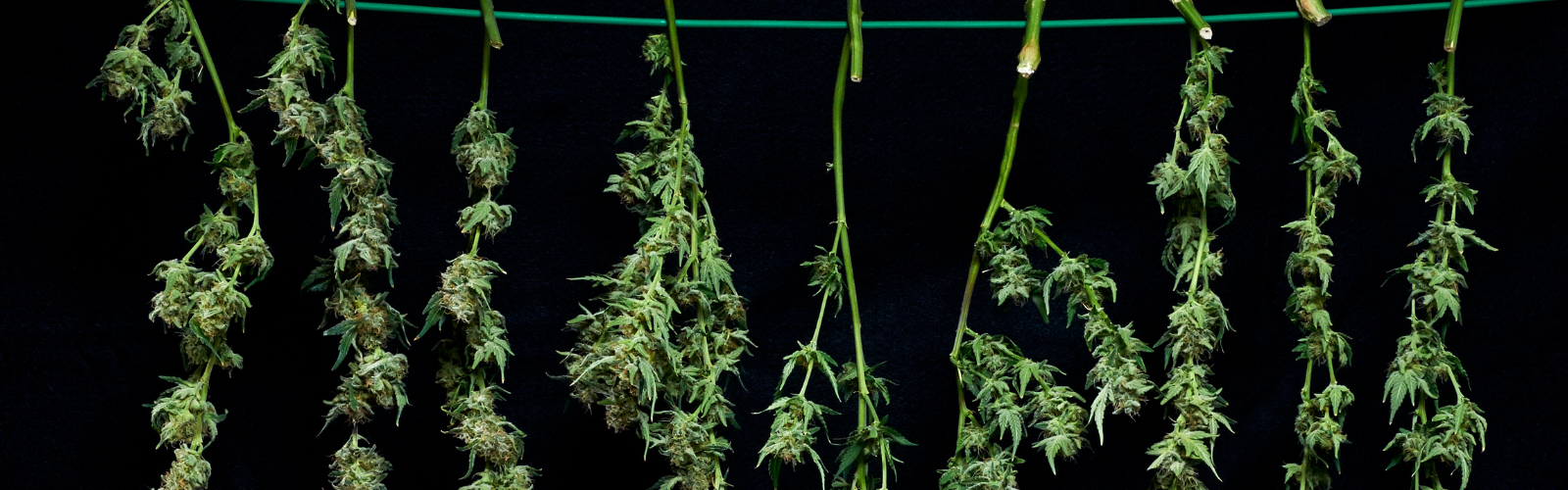
The Science Behind the Right Harvest Time: A Journey Through the Ripening of Cannabis
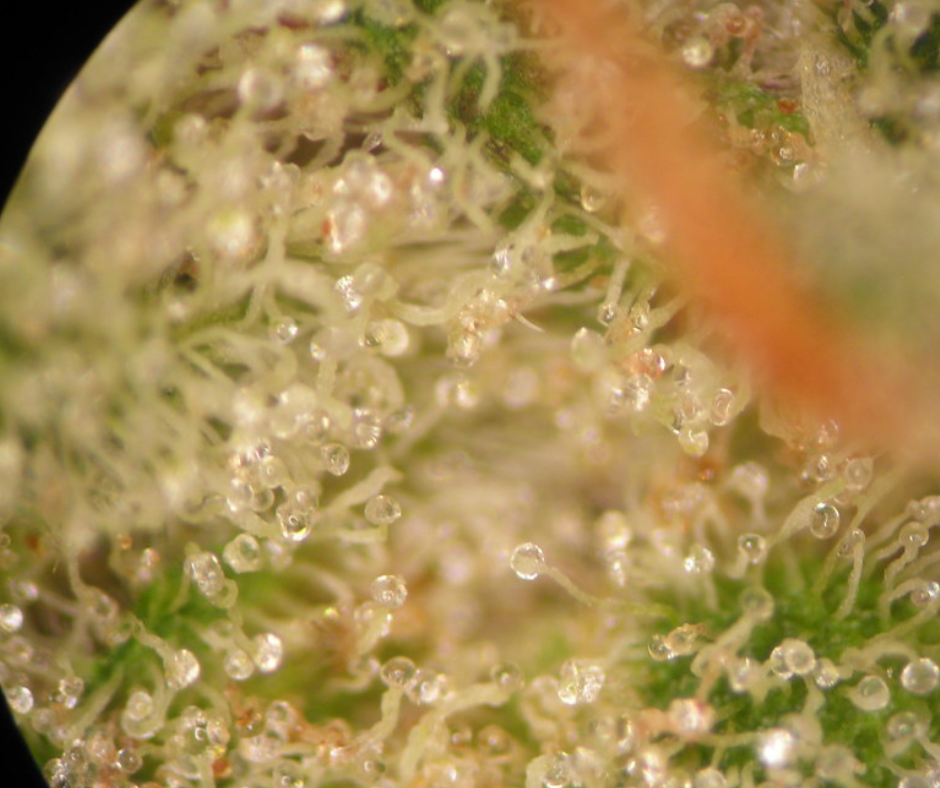
The cannabis plant produces compounds (such as cannabinoids and terpenes) which accumulate in the resin of its buds, more specifically in the trichomes. The colour of these trichomes is the most reliable indicator of the plant's optimum point of ripening.
To distinguish the colour of these tiny glands, you'll need a magnifying glass (of at least 30x magnification) or a pocket microscope. Once you have your tool, focus on the trichomes on the buds rather than those on the leaves, as they mature at a different pace. Trichomes go through three successive colour stages, each associated with a different effect profile:
- Clear trichomes: At this stage, trichomes look like tiny drops of glass. This indicates that the plant has not yet reached its peak maturity, and the production of cannabinoids - especially THC - is still low. Harvesting at this point will result in a very mild, almost imperceptible effect, or a brief cerebral sensation.
- Milky or cloudy trichomes: When the glands turn opaque, with a cloudy white colour, THC concentration is at its highest. Most growers prefer to harvest when a large portion of the trichomes are in this state, since the effect will be more potent, euphoric, and stimulating.
- Amber trichomes: The trichomes' milky white colour begins to oxidise, giving rise to an amber or reddish hue. This indicates that THC is degrading and converting into CBN (cannabinol), a cannabinoid known for its sedative effects. A harvest full of amber trichomes produces a more physical, relaxing, and narcotic effect - ideal for those seeking relief from pain or insomnia.
The key to knowing the best time for you is understanding which effects and properties you want from the plant. In most cases, it's recommended to harvest when your flowers have a mix of milky and amber trichomes (for example, 70% milky and 30% amber).
This combination ensures maximum THC potency with a touch of CBN relaxation. Ultimately, though, the real secret is knowing your own preferences and adjusting the harvest date so you can achieve your goals.
Early Harvest: Pros and Cons
Although the goal is usually maximum power, there are scenarios where an early harvest may be the best option.
Advantages of an Early Cannabis Harvest
- Risk reduction: In outdoor grows, harvesting early can be a harm reduction strategy to avoid botrytis (grey mould) or pests that can completely ruin your buds. If you live in a northern region with unpredictable weather, this may be a smart option - it's always better to have slightly less potent buds than no buds at all.
- More energetic effects: If you're looking for a cerebral, euphoric, and stimulating high, cutting your plants when most trichomes look milky may be ideal. As mentioned earlier, if your THC tolerance is low, a mix of cloudy and clear trichomes could be a good starting point.
Disadvantages of an Early Cannabis Harvest
- Loss of potency and yield: The main drawback is that the buds will not have reached their maximum weight and potency, and the resin glands will not be fully developed.
- Loss of aromatic quality: Terpenes (i.e., the molecules responsible for the distinctive aroma and flavour of buds) will not be fully developed.
Late Harvest of Cannabis Plants: Pros and Cons
Allowing plants to mature beyond their peak point also has certain implications.
Advantages of a Late Cannabis Harvest
- Sedative effect: If you're seeking a relaxing psychoactive effect, ideal for combating insomnia or chronic pain, or simply for encouraging a restful night's sleep, a harvest dominated by amber trichomes is the answer. CBN is responsible for this "physical and narcotic" effect - and the later you harvest, the more THC converts into this sedative cannabinoid.
- Increased weight: Sometimes, the buds continue to bulk up and thicken even as THC degrades, which can result in a heavier (though less potent) harvest.
Disadvantages of a Late Cannabis Harvest
- THC degradation: THC's psychoactive effect drops significantly. If you're looking for an intense, euphoric high, this is not the method for you.
- Risk of self-pollination: Although not common, certain strains may develop male flowers under the stress of overripening, triggering self-pollination. This can lead to unwanted seed formation, compromising the quality of your harvest.
- Risk of mould: The longer the plant is exposed to the autumn humidity, the higher the risk of mould - especially in very mature flowers, which tend to be thicker.
The Hybrid Method for Those Who Want It All: Staggered Harvesting
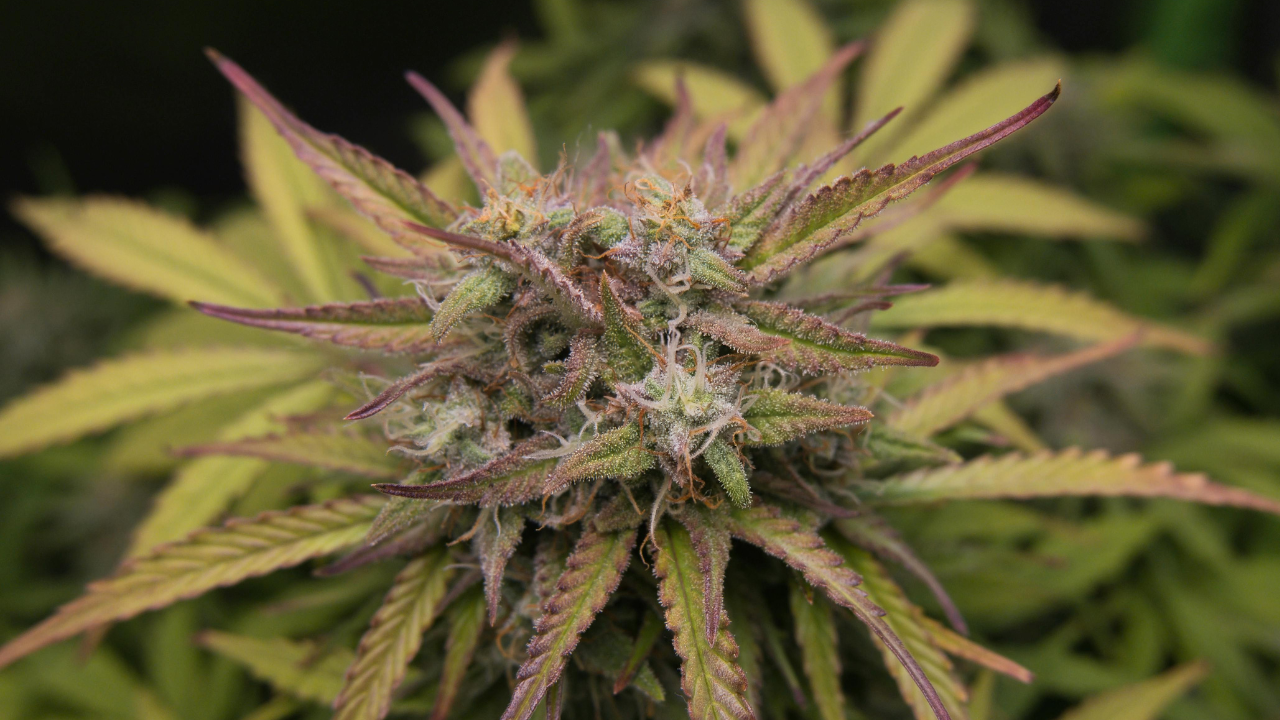
If you're looking for the best of both worlds so you can choose which buds to consume depending on the time of day, there's an advanced technique called staggered harvesting. This involves cutting the top parts of the plant first, as they receive more light and therefore ripen faster than the lower sections.
You can harvest the upper buds once the trichomes reach your ideal point (for example, 70% cloudy) while allowing the rest of the plant to continue ripening. This way, you'll get a slightly varied spectrum of effects from a single plant: a more energising effect from the upper buds and a more relaxing one from the lower buds.
In addition, this technique will help you maximise the plant's overall yield since the lower buds will receive more light during their final stage.
The Final Decision Depends on Your Needs
As with many other aspects of cannabis cultivation, there is no one-size-fits-all rule. The final decision on when to harvest depends on your personal preferences and the conditions of your grow.
So, the next time you get close to your plants, don't just rely on a calendar - grab your magnifying glass, take a close look, and trust the process. With each harvest, you'll refine your ability to know exactly when the perfect moment has arrived.
Comments from our readers
There are no comments yet. Would you like to be the first?
Leave a comment!Did you like this post?
Your opinion about our seeds is very important to us and can help other users a lot (your email address won't be made public).