

- VPD (vapor pressure deficit) is becoming the go-to tool for many experienced growers, as it promises heavier yields and denser buds.
- Proper VPD management can significantly boost grow performance while reducing the risk of fungal outbreaks. In this article, we’ve covered everything you need to know.
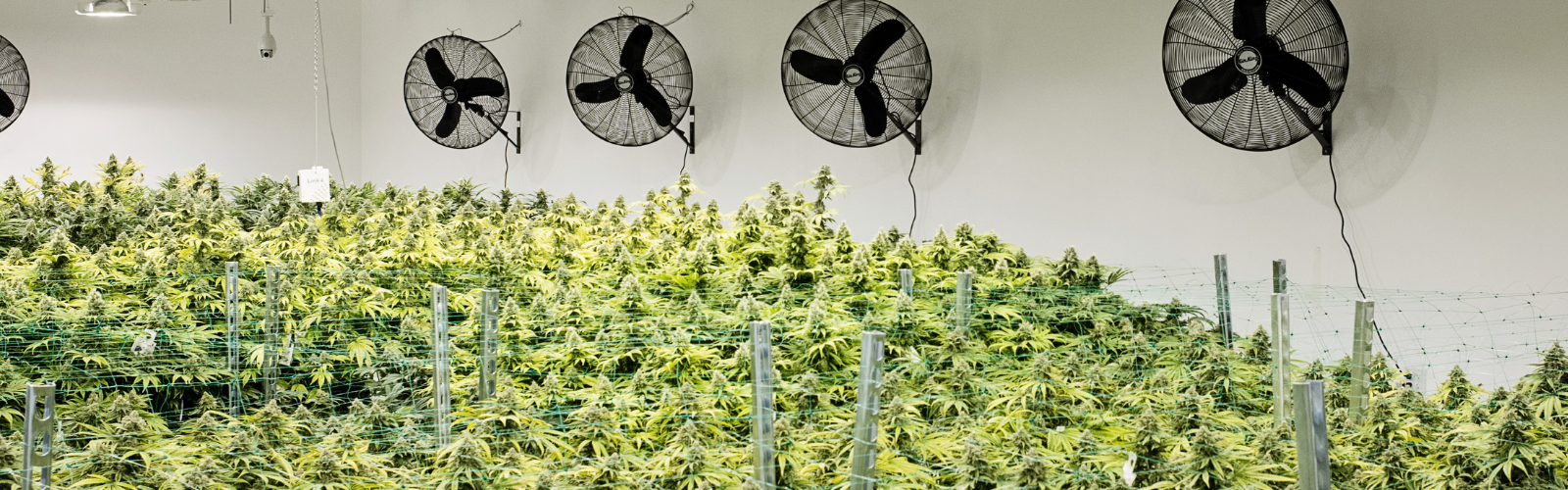
What is VPD and how does it affect cannabis cultivation?
To get a clear idea of what VPD is, we could say it measures the "thirst of the air", combining temperature and humidity. It represents the difference between the maximum amount of water vapor the air can hold at a given temperature (saturation) and the amount it actually contains. In other words, it's a way of measuring the drying power of the environment, which has a direct impact on plant transpiration. With that in mind:
- Basic definition: VPD = (saturation vapor pressure) – (actual vapor pressure). Put simply, it's "how much water the air is missing to become fully saturated."
- Physiological impact: this parameter is directly correlated with the transpiration rate of cannabis plants; a high VPD (very dry air) forces the plant to transpire more, while a low VPD (air close to saturation) reduces transpiration.
- Optimal range: for cannabis plants, it's generally recommended to keep VPD within a range of 0.8–1.6 kPa-the sweet spot where transpiration remains active without causing stress. At this "middle ground," plants can uptake nutrients efficiently and grow vigorously.
Advantages of VPD over the classic approach
Traditionally, growers measured and controlled temperature and relative humidity separately in their grow spaces. VPD combines both factors into a single index, allowing for much finer and more accurate control of the microclimate.
Unlike relative humidity alone, VPD is directly linked to water and CO₂ exchange. This offers several key advantages:
- More precise control: VPD acts like an extra "dial" for fine-tuning transpiration. Managing this parameter properly helps optimize photosynthesis. When VPD is too high, the air becomes so dry that the plant "protects itself" by closing its stomata-tiny pores on the leaf surface. While this reduces water loss, those same stomata are also the entry point for CO₂. When they close, CO₂ uptake drops and photosynthesis slows down. Less photosynthesis means less available energy, which ultimately results in slower growth and reduced final yields.
- Higher yields and better quality: optimal transpiration allows roots to absorb water from the growing medium efficiently. To visualize it, when leaves transpire, they effectively "pull" water upward, creating a suction effect that starts at the roots. This upward pull drags nutrients along with the water from the substrate throughout the plant. That's why transpiration plays a critical role in proper plant nutrition.
- Reduced risk of fungi and stress: keeping VPD within an optimal range is one of the most effective ways to reduce stress and disease in cannabis cultivation. When VPD is too low (the air is already close to saturation), the risk of fungal diseases and root issues increases. When the air is too dry (high VPD), plants close their stomata and experience stress. For this reason, VPD must be managed correctly at every stage of the grow cycle. During flowering-when mature buds are especially vulnerable to fungal infections-working with a higher VPD helps reduce the risk of mold. In contrast, during early stages, higher humidity and a lower VPD promote transpiration and nutrient uptake, helping prevent deficiencies.
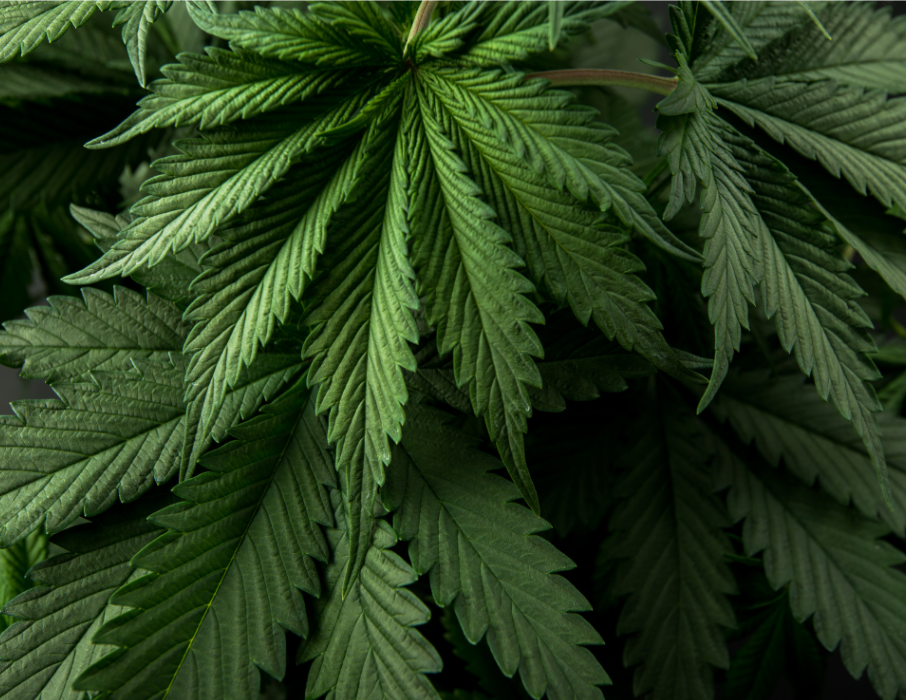
How to measure VPD in cannabis cultivation
Calculating VPD may sound technical, but in practice it's much simpler than it seems. While it can be calculated using formulas, in a home grow there's no need to do the math yourself.
How to measure VPD (what you need and where to measure)
To work properly with VPD, you need three basic elements:
- Actual plant temperature: measure temperature at canopy level, right next to the leaves-not on the tent wall. You can also use an infrared thermometer aimed at the leaves to measure leaf surface temperature directly, which is the most accurate reference point for VPD.
- Relative humidity (RH): use a reliable hygrometer placed at canopy height, not on the floor or near the exhaust outlet.
- VPD chart or calculator: with those two data points (temperature + relative humidity), you can consult a VPD chart or use an online calculator. There are also digital meters that display VPD directly, with no calculations required.
Ideal VPD ranges by cannabis growth stage
Just as nutrient and light requirements change throughout the cycle, optimal VPD also varies depending on the growth stage of your cannabis plants.
Seedlings and clones
- Ideal VPD: 0.4 – 0.8 kPa
- High humidity and low transpiration
- Promotes root development and prevents dehydration
Vegetative growth
- Ideal VPD: 0.8 – 1.2 kPa
- Balanced transpiration
- Strong nutrient uptake and vigorous growth
Early flowering
- Ideal VPD: 1.0 – 1.2 kPa
- Supports flower development
- Keeps fungal risk under control
Mid to late flowering
- Ideal VPD: 1.4 – 1.6 kPa
- Reduces moisture in dense buds
- Helps prevent botrytis and powdery mildew
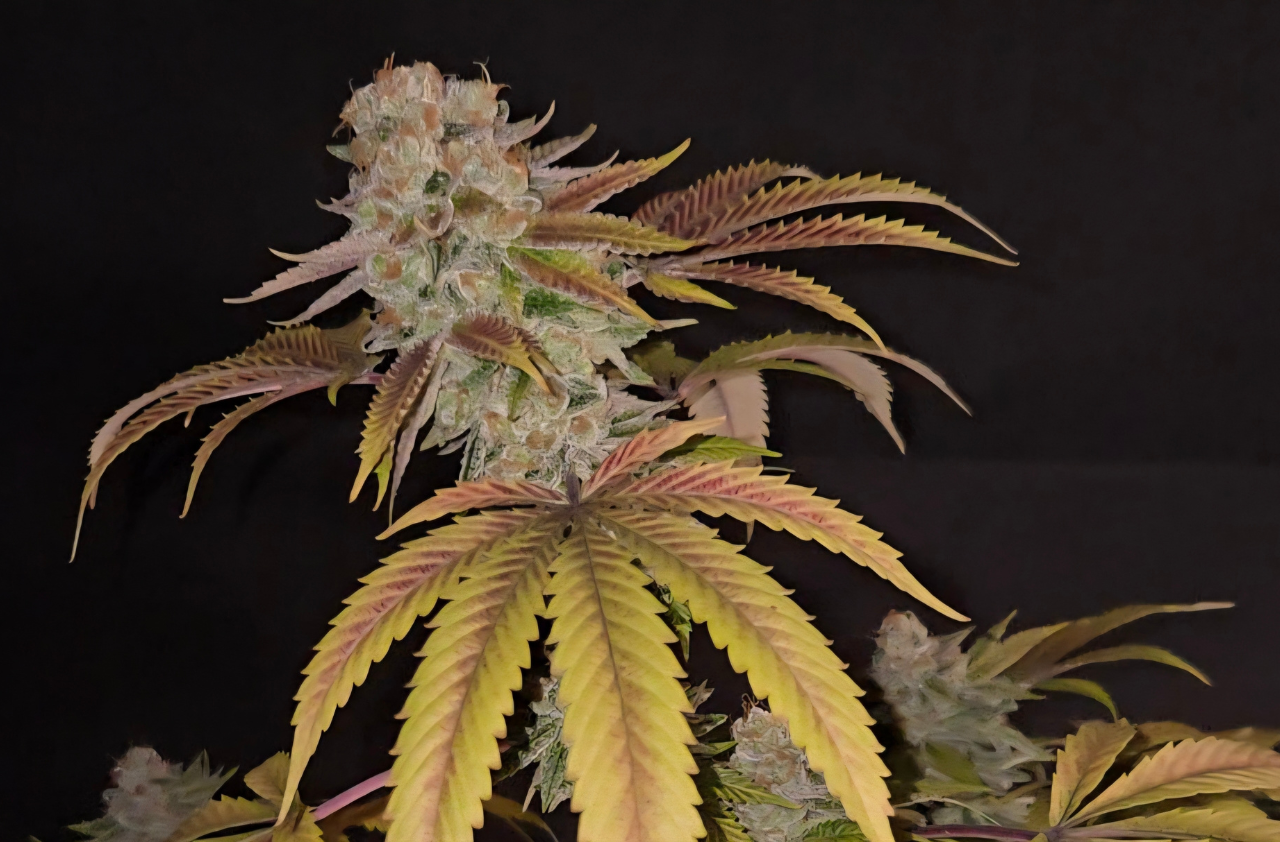
How to adjust VPD in your cannabis grow
Once you know the ideal atmospheric range for your grow space, you can adjust VPD by acting on humidity levels, room or tent temperature, and ventilation.
Adjust relative humidity
This is the easiest and fastest way to modify VPD. To increase humidity (lower VPD), use a humidifier. To reduce humidity (raise VPD), use a dehumidifier.
Control temperature
Temperature directly influences VPD because it determines how much water vapor the air can hold. At higher temperatures, air can absorb more moisture and VPD tends to rise; at lower temperatures, air reaches saturation more quickly and VPD drops-assuming relative humidity remains unchanged.
25 °C + 60% RH → VPD ≈ 1.2 kPa
28 °C + 60% RH → VPD ≈ 1.5 kPa (higher)
However:
28 °C + 70% RH → VPD ≈ back to around 1.2 kPa, similar to the first scenario (increased humidity offsets the higher temperature).
To adjust grow room temperature, you can use an exhaust fan controller, air conditioning, heaters, or circulation fans to dissipate excess heat.
VPD control does not replace the basic temperature ranges required for cannabis; it operates within them. This approach is aimed at growers who already understand and respect those baseline temperature and relative humidity values.
Maintain good ventilation
Consistent airflow:
- Prevents pockets of stagnant humidity
- Stabilizes the overall climate
- Reduces disease pressure
Use exhaust systems and oscillating fans throughout the entire grow cycle, adjusting intensity according to the growth stage.
Automate for maximum precision
If you're looking for total stability, climate controllers can automatically adjust humidity and temperature based on sensor readings. This is the most effective way to keep VPD stable, especially during flowering.
Genetics, observation, and record keeping
Not all strains respond the same way to a given VPD. Some genetics tolerate higher ranges better, while others perform best in more humid environments. That's why it's essential to:
- Observe each plant's response
- Experiment with small, controlled adjustments
- Keep detailed records of VPD, temperature, humidity, light intensity, and feeding
If you find the perfect balance for a specific genetic, that data becomes invaluable for future runs.
VPD isn't a fixed number-it's a dynamic tool that adapts to growth stage, genetics, and ambient conditions. Once you master vapor pressure deficit, your plants will reward you with optimal performance. It's a parameter that's reshaping how advanced growers achieve bigger harvests, denser buds, and superior quality in modern cannabis cultivation.
Comments from our readers
There are no comments yet. Would you like to be the first?
Leave a comment!Did you like this post?
Your opinion about our seeds is very important to us and can help other users a lot (your email address won't be made public).