

- Using pesticides in cannabis cultivation may seem like a simple and effective solution to combat pests and fungi, but their use can pose serious health risks depending on the products chosen and how they are applied.
- In the following section, we examine the dangers associated with these chemicals and explore natural, ecological alternatives that support safe and sustainable growing practices.
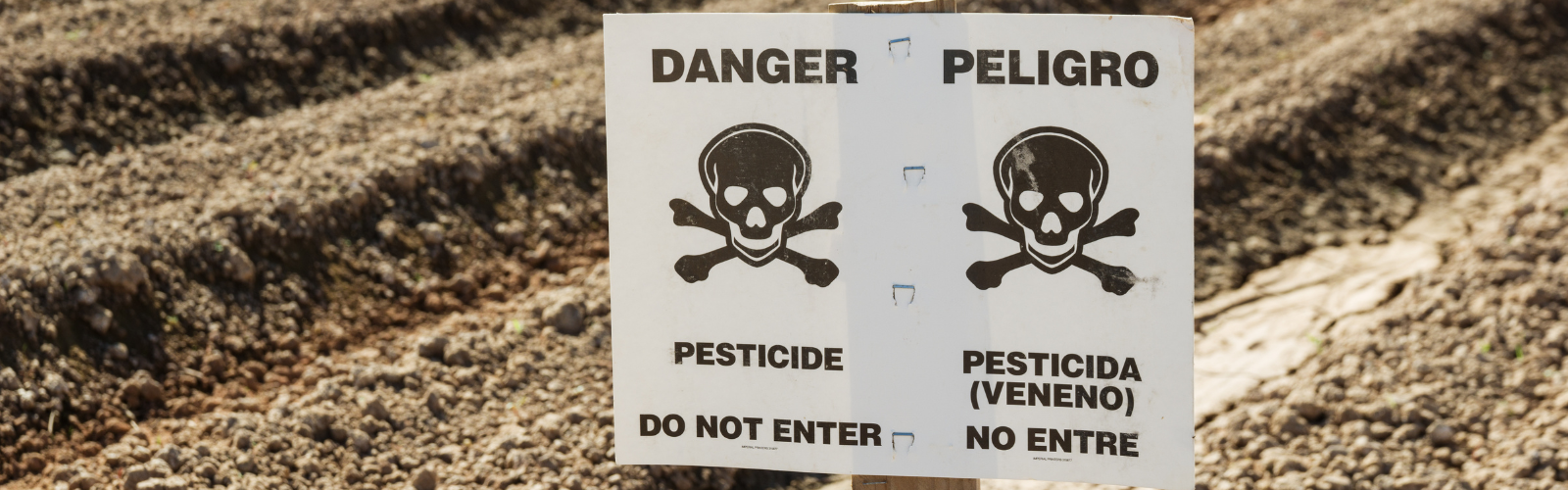
Toxic Residues in Cannabis Buds
Chemical pesticides can leave harmful residues in cannabis flowers. Growers often assume that simply following the "pre-harvest interval" indicated on product labels makes their crop safe, yet this alone does not ensure that buds are completely free of chemical residues.
Because most chemical pesticides are not officially approved for cannabis, there is little reliable data on how much residue may remain in the flowers or how much consumers might ingest or inhale. Unlike fruits or vegetables that can be washed or peeled, cannabis buds are typically consumed directly - through combustion (smoking) or vaporisation -, resulting in direct systemic absorption of any chemical residues.
This is particularly concerning because many pesticides are toxic to humans. In the absence of clear regulations, some growers may resort to unauthorised or highly hazardous products behind closed doors.
Growers themselves are also at risk: frequent application without proper protection can lead to acute poisoning (including irritation, dizziness, or respiratory issues) and long-term chronic health effects. Chemical pesticides don't just affect your plants - they also contaminate soil, water, and beneficial organisms, ultimately undermining sustainable growing practices.
Accumulative Effects in the Body
One of the most concerning aspects of pesticides is their tendency to accumulate in the human body. Even at low doses, repeated exposure can cause toxins to build up over time, especially since many pesticides are persistent compounds stored in fatty tissues.
For medical cannabis patients, the stakes are even higher. With weakened immune systems or chronic illnesses, pesticide traces in their medicine can pose serious risks.
Risks During Combustion or Vaporisation
When a contaminated bud is smoked or vaporised, heat triggers chemical reactions. Many pesticides break down at high temperatures into by-products that are even more toxic. Beyond chemical reactions, inhalation itself increases risks: toxic particles and gases pass almost unfiltered from the lungs into the bloodstream.
Vaporisers are not risk-free either - heating cannabis to around 200°C without full combustion can generate other harmful compounds, some of which remain poorly understood. Incomplete burning may also turn certain pesticides into harmful vapours. The verdict is clear: the presence of pesticides in cannabis smoke or vapour poses a serious toxicological risk.

The only truly safe approach is prevention - keeping pesticides out of the flowers altogether through ecological and sustainable cultivation practices.
Natural and Eco-friendly Alternatives to Pesticides
A wide range of sustainable methods can effectively control insects, mites, and fungi. Below are some of the most reliable strategies:
- Biological Pest Control: This method relies on beneficial organisms to manage pests naturally. Ladybugs and lacewings feast on aphids and mealybugs; predatory mites (such as Phytoseiulus persimilis and species of Amblyseius) devour spider mites; and entomopathogenic fungi like Beauveria bassiana and bacteria such as Bacillus thuringiensis wipe out insects and caterpillars. Biological control means no toxic residues, precise targeting, and protection for non-harmful species.
- Certified Organic Products: When direct intervention is required, growers should opt for organic pesticides approved for ecological agriculture. Examples include neem oil (both insecticide and fungicide), natural pyrethrins, potassium soap, azadirachtin, diatomaceous earth, and botanical extracts such as chilli, garlic, or nettle preparations. Even these natural products should be applied responsibly - ideally before flowering or at the earliest signs of pests -, and products bearing certification seals should be prioritised to ensure compliance with safety standards for consumable crops.
- Companion Planting: Growing certain plants alongside cannabis can repel pests and enhance biodiversity. Marigolds help deter soil-borne nematodes; basil and mint repel whiteflies and aphids; dill and coriander attract beneficial predators; and clover and other legumes enhance soil fertility while naturally suppressing weed growth. Rather than competing, these companion plants coexist with cannabis, building a healthier, more resilient ecosystem.
- Beneficial Microorganisms: It's not only insects that lend a hand - soil microbiology can be a powerful ally too. Products containing beneficial fungi and bacteria, applied to the substrate or foliage, help fortify plants against disease. Trichoderma species colonise cannabis roots, creating a protective barrier against pathogens like Fusarium or Pythium. Bacillus species act as biological fungicides, suppressing threats like powdery mildew and botrytis. These microbes work by outcompeting harmful organisms or by activating the plant's own defence systems.
- Preventive Approaches to Sustainable Growth: Effective pest control begins with prevention. A clean and well-maintained grow space is the foundation: remove dead or diseased leaves, disinfect tools, and thoroughly clean between cycles. Environmental parameters must also be carefully managed - humidity, ventilation, and temperature all play a decisive role in discouraging pests. Outdoors, rotating crops helps break pest life cycles; indoors, using clean substrates and uncontaminated water keeps pathogens at bay. Finally, regular plant inspections are essential - detecting early signs of infestation allows growers to act quickly, for example by pruning the affected areas before pests can spread.
- Integrated Pest Management (IPM) IPM brings all the above elements together: preventive measures, support for natural enemies, use of resistant cultivars, and - only as a last resort - the targeted application of safe, preferably organic treatments when pest levels exceed acceptable thresholds.
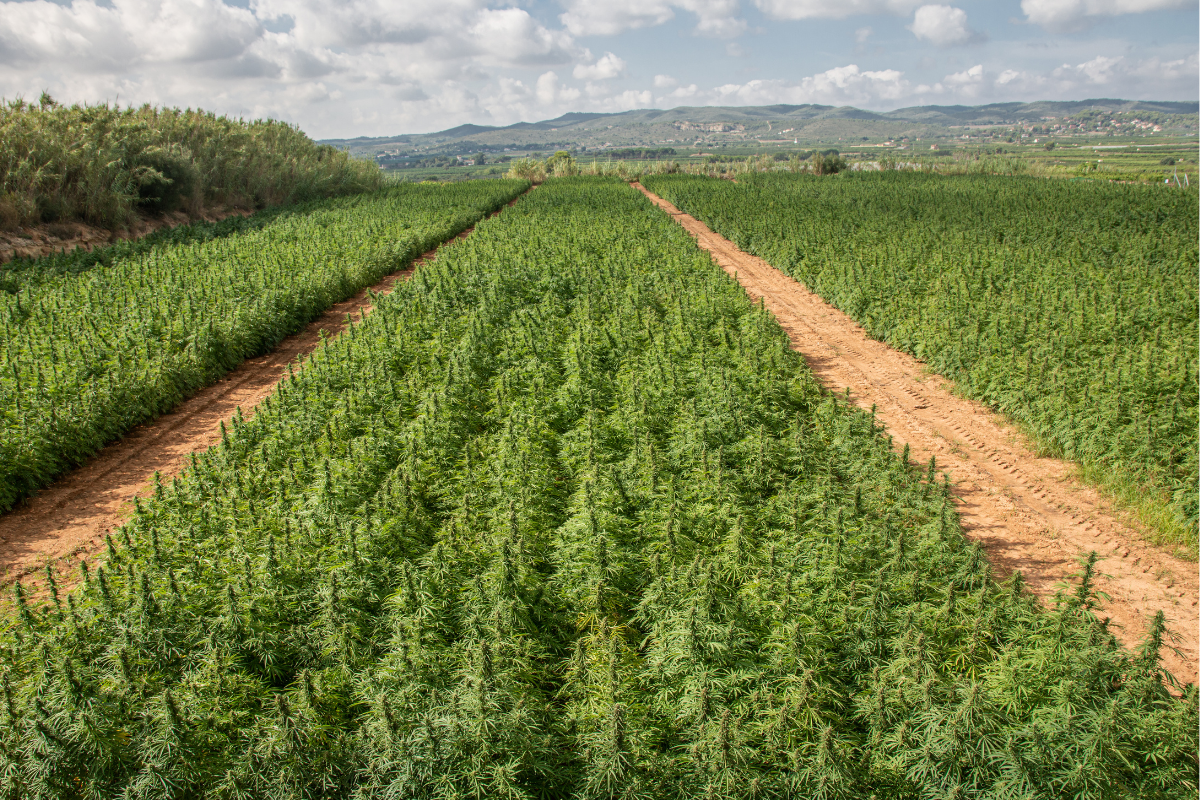
Chemical pesticides in cannabis pose real dangers: they can leave toxic residues in the buds, release harmful compounds when smoked or vaporised, and accumulate in the bodies of both consumers and growers.
If you care about the plant - and your own health -, the smartest move is to avoid chemical pesticides entirely. Luckily, nature provides a wealth of tools to keep cannabis plants healthy without poisoning ourselves or the planet.
Clean, ecologically grown cannabis is not only safer - it often tastes, smells, and feels better, unburdened by the chemical load that dulls its essence. Choosing natural methods is a vital step toward healthier, more sustainable cultivation, where caring for the plant means caring for ourselves.
Comments from our readers
There are no comments yet. Would you like to be the first?
Leave a comment!Did you like this post?
Your opinion about our seeds is very important to us and can help other users a lot (your email address won't be made public).