

- The rise of live rosin has changed the way many growers produce their cannabis. It is no longer just about producing high-quality flowers, but about generating raw material optimized for mechanical extraction.
- In this context, fresh frozen (the immediate freezing of the buds after harvest) has established itself as the standard method for preserving the aromatic profile and the integrity of the resin.
- However, to achieve good results, freezing buds is not enough; it is necessary to design the crop from the very beginning with that final purpose in mind. In this article, we explain the key aspects you need to take into account, from genetic selection to how to manage the cold chain.
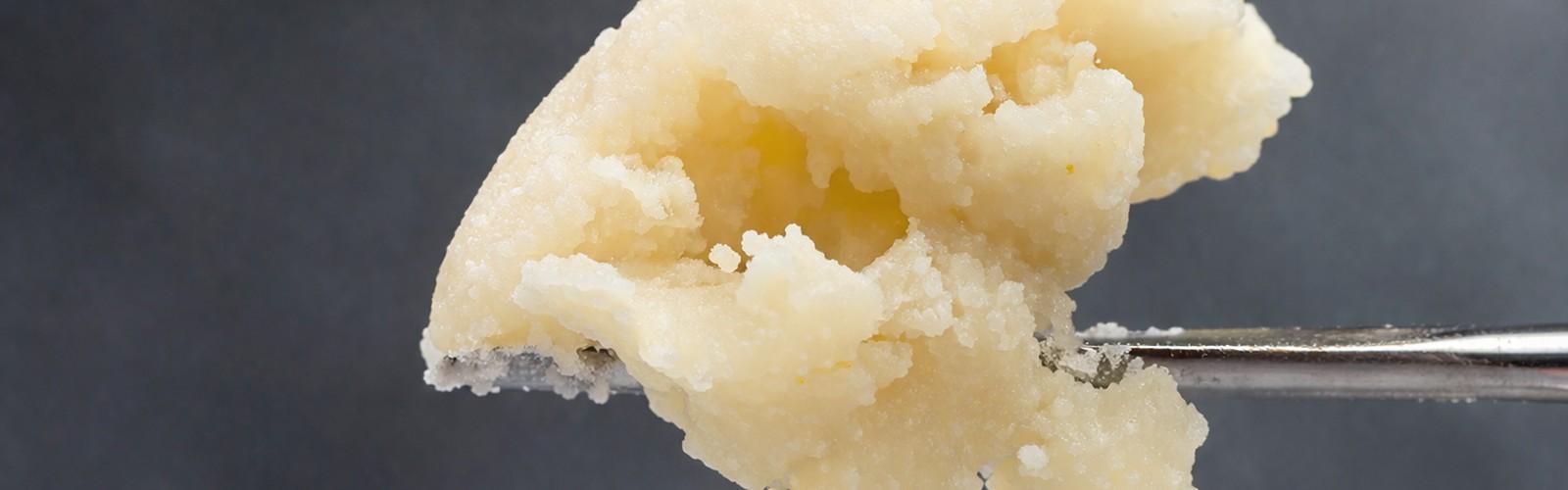
Why growing for live rosin is not the same as growing to produce dried flower
For decades, cannabis cultivation has been focused on producing buds for consumption. That is why drying and curing after harvest were an essential part of the process, since they were what made it possible to achieve quality aroma and flavor.
However, when the goal is to make live rosin, this process is eliminated entirely, because what must be done immediately after cutting the marijuana plants is to freeze the buds right away, a process known as "fresh frozen".
Fresh frozen is nothing more than freezing the flowers immediately after harvest in order to preserve intact the compounds present at that moment, cannabinoids such as THC and CBD, but above all terpenes, which are highly volatile.
This implies an important shift not only in the processes carried out after cutting the marijuana plants, but also in the decisions made beforehand, during cannabis cultivation. The goal becomes preserving the quality of the trichomes in their fresh state in order to facilitate their later extraction.
Capitate-stalked trichomes: the main players
If what you want is to make live rosin, the compounds you are interested in preserving are those responsible for the effects and properties of cannabis (cannabinoids), and for its aroma and flavor (terpenes).
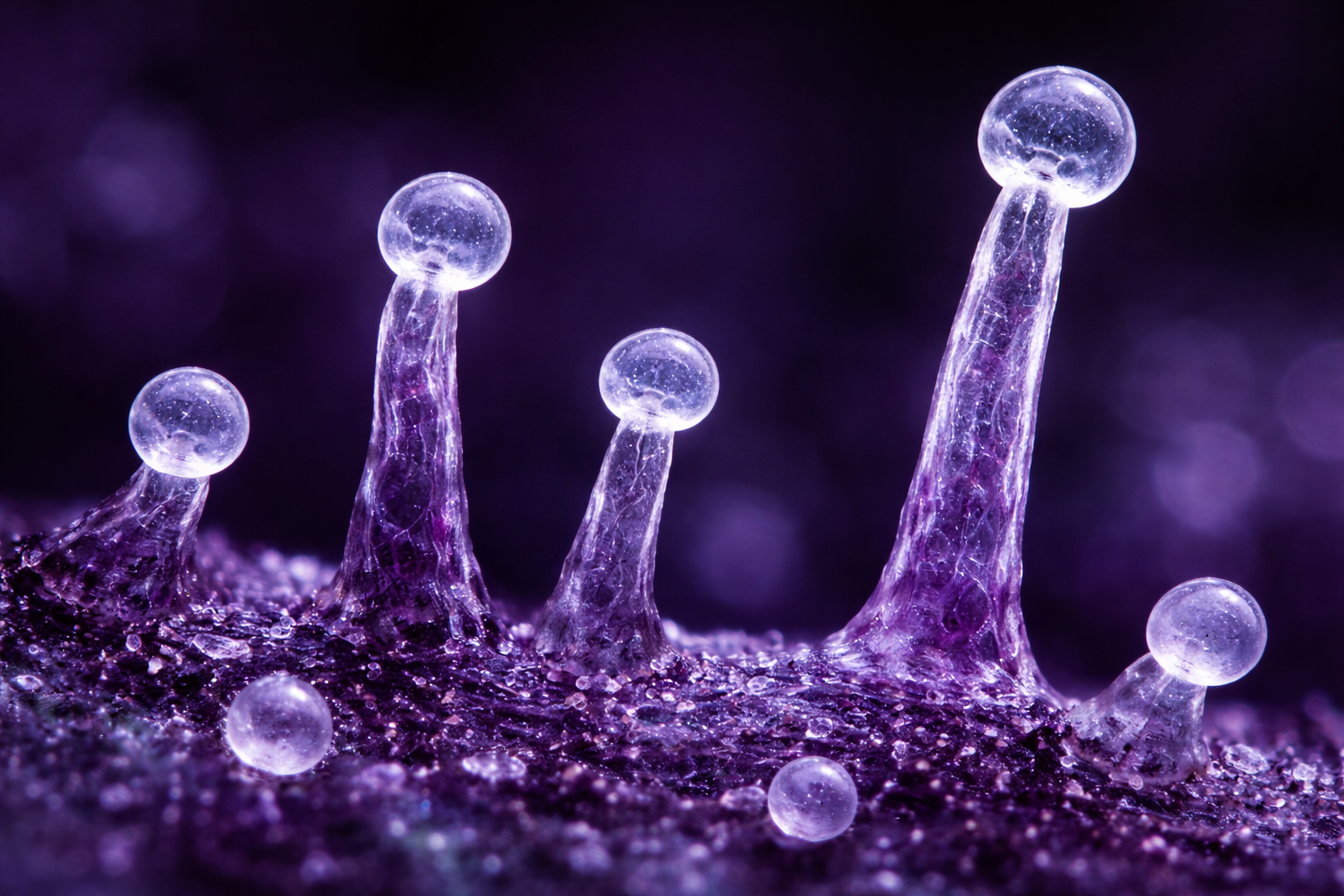
These molecules are synthesized and stored mainly in the trichomes, and they are found in greater quantity in those of the capitate-stalked glandular type. From a morphological point of view, these trichomes are made up of two distinct parts: a base that looks like a stalk (peduncle) and a spherical glandular head, which is where the resin actually accumulates.
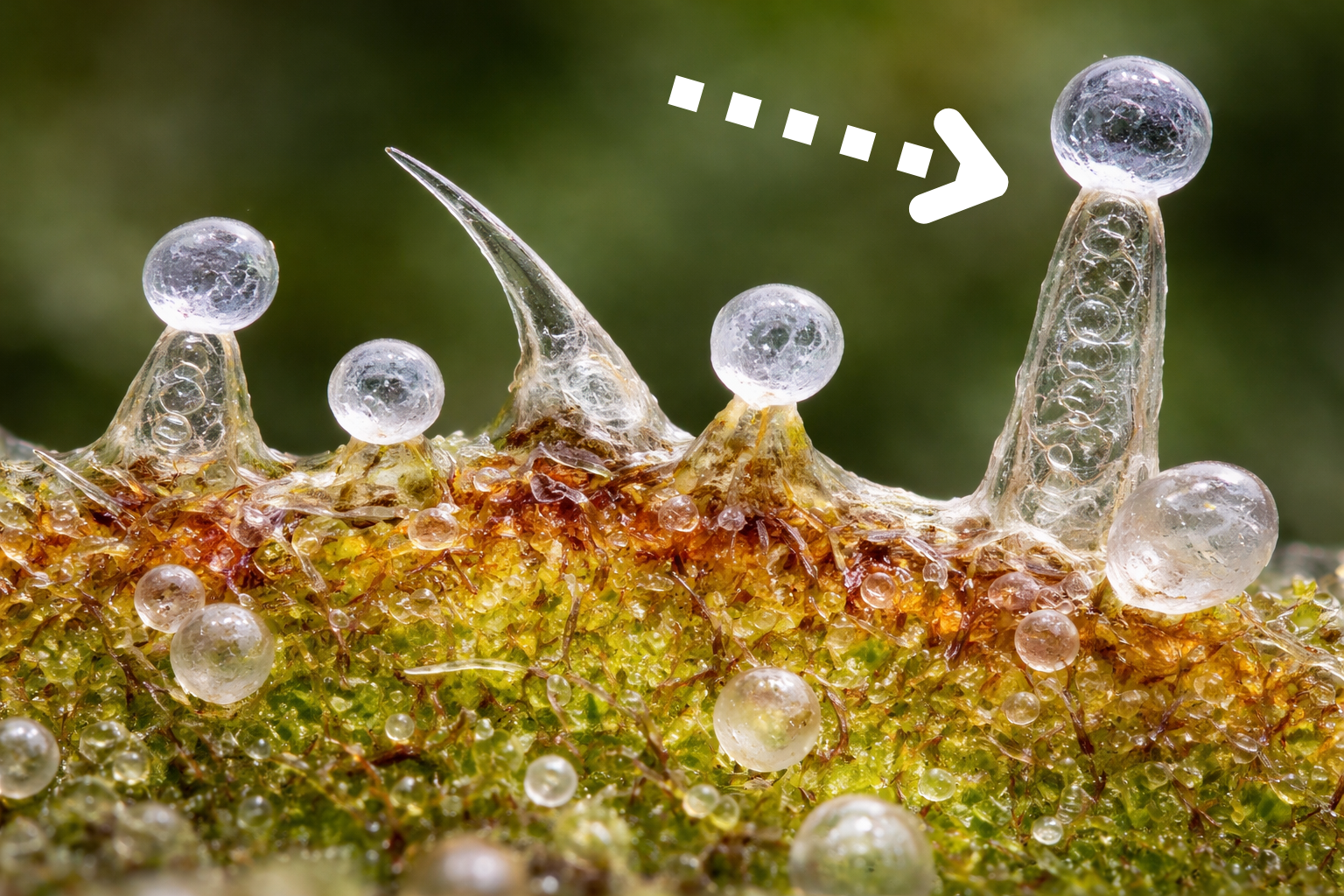
What matters is not only that these trichomes produce resin, but how they store it and how they behave physically. Although live rosin can be made directly from frozen flowers, many people prefer to make it from extractions such as dry hash, since the cannabinoid concentration achieved is higher. In mechanical solventless extraction processes, the goal is not to dissolve the resin, but to mechanically separate those glandular heads. This means that the yield and purity of the result depend directly on:
- The resistance of the peduncle (how difficult it is for the head to detach).
- The diameter of the glandular head (which influences the mesh size where it will be collected).
- The structural integrity of the trichome (whether it breaks or remains intact during the process).
- The relationship between the trichome and the surrounding plant tissue.
In this sense, not all capitate-stalked trichomes are the same. There are significant variations between genetics in terms of head size, stalk length and cuticle composition. These differences, although sometimes imperceptible to the naked eye, have a direct impact on extraction efficiency.
For example, those trichomes with larger, well-defined heads tend to separate more easily and produce cleaner fractions across the different micron ranges. By contrast, smaller trichomes or those with more fragile structures may break or fail to detach properly, reducing both the yield and the quality of the hash obtained.
In addition, the location of the trichomes within the flower is also key. Those found on the bracts tend to be richer in resin and more interesting from an extraction standpoint than those found on sugar leaves, where the proportion of plant matter is higher.
For all these reasons, if your crop is aimed at live rosin, it will not be enough to choose "resinous" cannabis varieties; you also need to understand that yield does not depend only on the total amount of resin produced by the plant, but on what proportion of that resin can be recovered efficiently and cleanly.
In practice, this translates into one key idea: two plants with a similar visual appearance can behave very differently during extraction. One may release its trichomes easily and deliver a clean, high-yield hash, while another may retain much of its resin or generate a product more contaminated with plant matter.
That is why, when making fresh frozen, capitate-stalked trichomes are not only the main players from a chemical point of view, but also from a physical and mechanical one.
What to look for in a cannabis variety intended for fresh frozen
One of the most common mistakes growers make is selecting varieties solely by their visual appearance or THC content, since when the goal is to produce live rosin, other more decisive factors come into play.
When choosing the strain you are going to grow for fresh frozen, keep the following parameters in mind:
- High concentration of capitate-stalked trichomes in key areas of the flower.
- Well-developed glandular heads, with good resin storage capacity.
- Good resin production, allowing for high cannabinoid and terpene content.
- Bud morphology with a low proportion of leaf, since this will facilitate a cleaner extraction.
- An interesting terpene profile in its fresh state, since there will be no later curing to modify it.
It is important to point out that, as of today, identifying the cannabis varieties that are optimal for this purpose remains largely empirical. Many decisions are based on practical trials and direct experience. In practice, this means that you will need to grow, test the result, and make your own personal selection of those cannabis genetics that perform best in this regard.
Common mistake: choosing genetics based only on appearance or potency
In this regard, it is important not to be guided by the visual appearance of the plant when choosing a variety for fresh frozen (especially its level of "frost"), since this can be misleading if its extraction performance is not taken into account.
A high density of trichomes does not guarantee good live rosin yield. Factors such as those mentioned above (glandular head size, structural resistance, or ease of separation) directly influence the result.
For this reason, even if a plant's buds are heavily "frosted" with resin, it is worth taking out the loupe and observing what the structure of its trichomes is actually like. Likewise, a high THC content does not necessarily imply a better rosin profile. In many cases, the quality of the final product is more closely related to terpene expression than to potency.
Harvesting for live rosin: less trimming, more process control
When cannabis is grown for dried flower, trimming and final presentation are important. By contrast, in fresh frozen, the priority changes, since the main objective after harvest is to preserve the integrity of the trichomes and minimize terpene loss.
To achieve this, it is essential to reduce handling of the plant material to a minimum. Some recommendations:
- Avoid intensive trimming before freezing.
- Handle the plant carefully so as not to break the trichomes (if possible, try not to touch the buds at all; hold the plant by the branches).
- Work quickly and with a well-organized workflow. The less time that passes between cutting the plant and freezing it, the better.
The cold chain, from the plant to the extraction
The cold chain is one of the most decisive factors in the final quality of live rosin. Terpenes are highly volatile compounds and sensitive to heat, while trichomes are structures that can deteriorate easily.
For this reason, it is essential that freezing take place as soon as possible after cutting and that the material remain constantly frozen until the moment of extraction. To maintain a proper cold chain:
- Reduce the time between harvest and freezing to a minimum.
- Use systems that allow for fast and uniform freezing.
- Avoid partial thawing during storage or transport.
- Keep conditions stable until the moment of extraction.
The trend toward high-quality solventless extracts has highlighted one key idea: extract quality does not begin with extraction, but in the grow.
As regulation advances and markets evolve, users are also demanding more format diversity and higher product quality. For that reason, designing a grow for fresh frozen by selecting the right genetics and carrying out the necessary processes to preserve trichome integrity and maximize their performance in mechanical processes will make the difference.
The future of high-quality cannabis is linked to specialized cultivation, not as an end in itself, but as the first step in a broader process.
.
Comments from our readers
There are no comments yet. Would you like to be the first?
Leave a comment!Did you like this post?
Your opinion about our seeds is very important to us and can help other users a lot (your email address won't be made public).