

- Cannabis growers often focus their attention on what is visible to the naked eye: the density of the buds, the color of the leaves, or the whiteness of the roots.
- However, the key difference between a “good” harvest and a “premium” one sometimes occurs on a microscopic scale. The benefits of the rhizosphere are widely known today, which is why it is time to go one step further and explore the fascinating world of endophytic bacteria.
- These microorganisms not only surround the plant, they live inside it, colonizing its internal tissues and establishing a symbiotic relationship that can boost terpene and cannabinoid production to levels that mineral fertilization alone could never achieve.
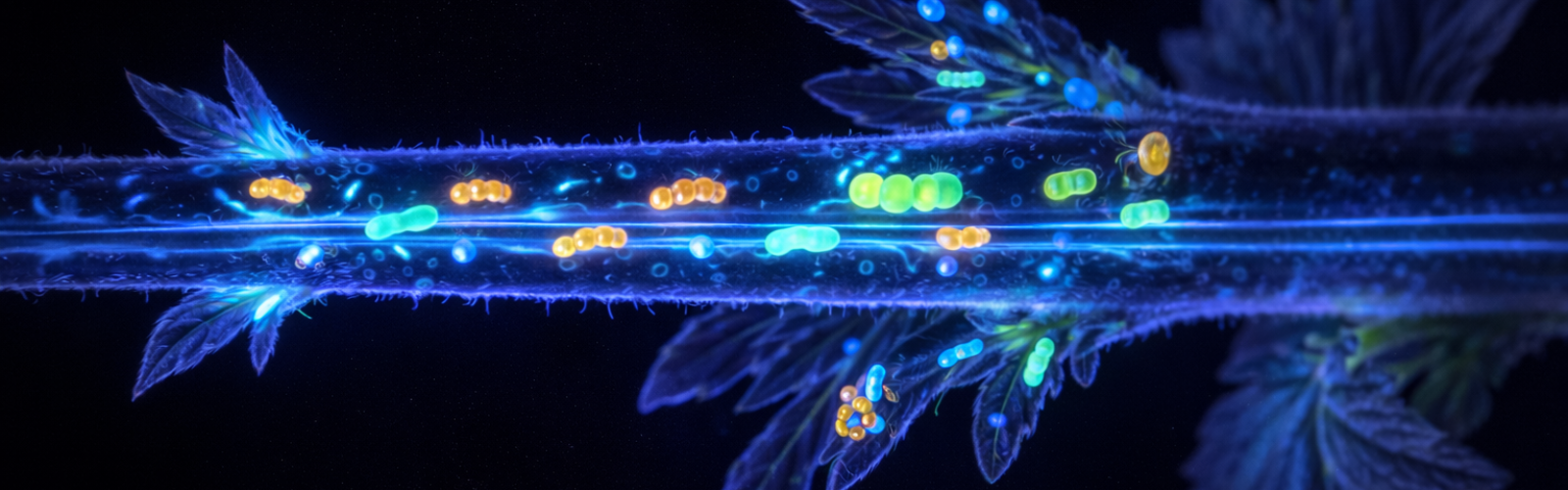
What are endophytic bacteria in cannabis?
In the same way that today we often talk about the well-known microbiota that humans carry in our intestines and how important it is for our health, we could say that plants also have their own microbiome. Endophytic bacteria are microorganisms that live inside the plant tissues of cannabis without causing harm and, according to scientific research, regulate key functions of the plant's metabolism and defense systems.
These beneficial bacteria colonize the interior of plant tissues (roots, stems, leaves, and even seeds), establishing symbiotic relationships with their host without causing damage. This differentiates them from rhizobacteria (which live in the rhizosphere) and other soil microbes that interact with the plant from the outside.
Unlike common soil bacteria, endophytes (from the Greek endo, inside, and phyton, plant) are often "inherited" through seeds or acquired from the environment during the early stages of a seedling's life. Once inside, they move through the vascular vessels (xylem and phloem), becoming an extension of the plant's own biological system.
How do endophytes enter cannabis plants?
Endophytes can reach the plant through several pathways:
- Parental transmission: this occurs when these bacteria were already present in the parent plants and therefore are found in cannabis seeds and/or in the pollen of the male plant.
- Root colonization: some types of endophytic bacteria penetrate from the soil and enter the plant through the roots.
- Leaf entry: some endophytes can enter through stomata or other natural openings.
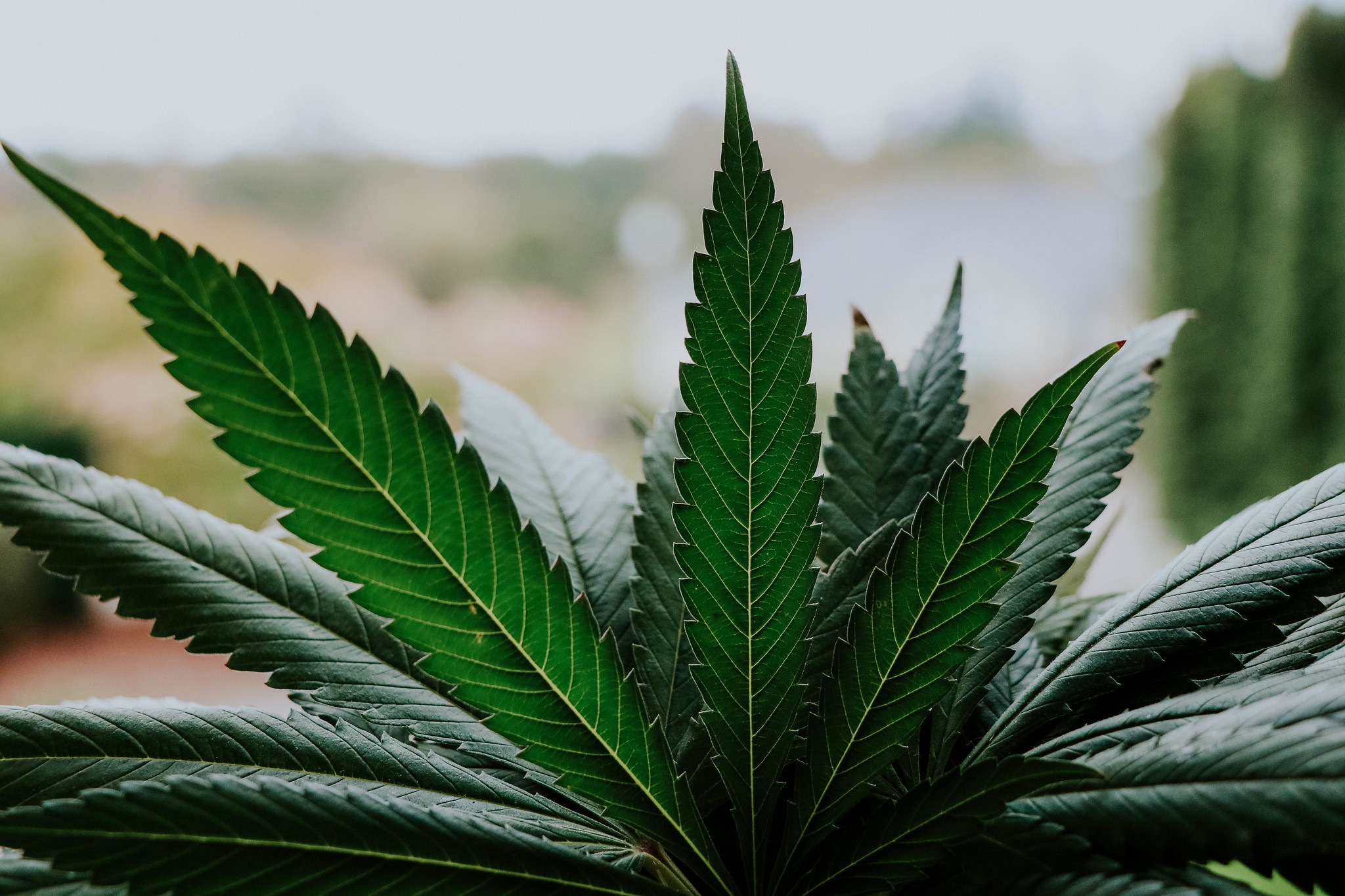
Where are endophytes found in the cannabis plant?
One of the most fascinating characteristics of endophytic bacteria is that they are not limited to a single plant organ; they can colonize virtually the entire plant system, forming an internal network of biological cooperation. However, their function and density vary depending on the tissue they inhabit and the stage of the plant's life cycle.
Cannabis plant roots
They are the main entry point for endophytes, which penetrate from the soil through root elongation zones, microscopic wounds, and root hairs. Once inside the root mass, they improve nutrient absorption, contribute to the production of phytohormones, and help prime the plant's immune system.
Key point for growers: efficient endophytic colonization almost always begins with healthy, active roots during the first weeks. If you want a strong colony of these tiny allies, do not neglect root health in your grow.
Stems and vascular system: the communication highway
The xylem and phloem act as true internal highways for mobile endophytes. In the stems, these bacteria are distributed systemically, maintaining a stable presence during much of the plant's life cycle and actively participating in chemical signaling related to defense systems and metabolism.
From here, endophytes can indirectly influence processes such as:
- The efficiency of water and nutrient transport
- The response to water or heat stress
- The activation of secondary metabolic pathways.
Leaves: regulation of stress and photosynthesis
Leaves also host endophytic communities, especially within internal tissues. In this area, their role is more closely linked to:
- The regulation of oxidative stress
- The efficiency of the photosynthesis process
- The modulation of stomatal opening
Although their density is usually lower than in roots or stems, their impact is strategic: a metabolically more efficient leaf means more energy available for resin production.
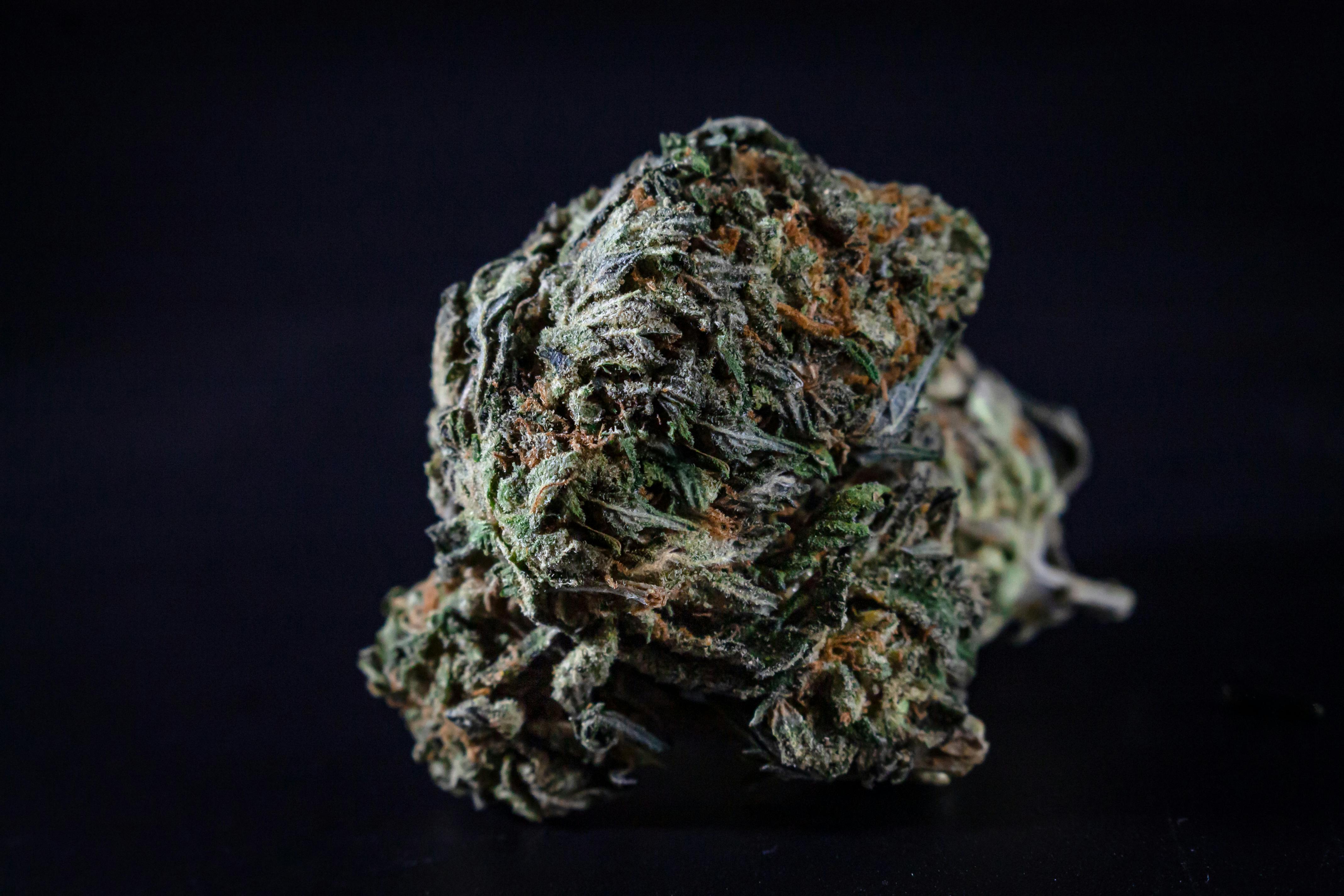
Flowers: indirect influence on terpene and cannabinoid production
In the buds, the presence of endophytes is more limited, but not irrelevant. Endophytes do not "produce terpenes in the bud," but they create the optimal internal conditions for the plant to do so.
Seeds: microbial inheritance
As mentioned above, one of the most interesting discoveries in recent years is that some endophytes can be found in seeds, allowing beneficial microorganisms to be transmitted from one generation to the next.
This reinforces the idea that the genetic potential of a variety does not depend only on plant DNA, but also on the microbiome that accompanies it from the beginning.
The molecular mechanism: how do they boost terpene and cannabinoid production?
The question every experienced grower asks is: how can a bacterium influence the aroma and flavor of my flowers? The answer lies in the modulation of secondary metabolism.
Endophytic bacteria, such as certain strains of Bacillus and Pseudomonas, activate specific metabolic pathways that the plant would normally use only under extreme stress conditions:
- Induced Systemic Resistance (ISR): the presence of endophytes activates a preventive immune response. When the plant detects these bacteria in its vascular tissues, it enters a state of "metabolic alert" that stimulates the synthesis of secondary metabolites. In cannabis, these defense compounds are precisely terpenes and cannabinoids, which act as natural protectors against biotic and abiotic stressors.
- Metabolic precursors: some endophytes are capable of producing plant hormones (such as auxins and gibberellins) and chemical precursors that the plant uses to synthesize monoterpenes (such as limonene or myrcene) and sesquiterpenes (such as caryophyllene).
- Photosynthesis optimization: as mentioned in the previous section, endophytes help improve the efficiency with which the plant processes light and CO2, ensuring that excess energy is available to be invested in resin production.
Beyond terpenes and cannabinoids: comprehensive benefits for your cannabis plants
Although improving organoleptic quality is the "holy grail" for cannabis growers, endophytic bacteria provide a comprehensive protective shield:
- Internal nitrogen fixation: some bacteria can fix this nutrient directly within the leaves, reducing dependence on external nitrogen fertilizers.
- Pathogen control: by occupying internal space, endophytic bacteria leave "no room" for pathogenic fungi such as Botrytis or powdery mildew. It is a competition for the ecological niche where the plant ultimately wins.
- Drought resistance: this microscopic army helps the plant transpire more efficiently under extreme heat conditions.
How to encourage endophytes in your grow
If you want to harness the power of these invisible allies, you need to shift your approach from "feeding the plant" to "cultivating an ecosystem." With a few simple practices, you can ensure a strong colony of these beneficial bacteria in your grow:
- Avoid excessive use of chemical systemic fungicides, as they do not distinguish between harmful fungi and beneficial microorganisms. Instead, opt for certified biostimulants.
- Early inoculation: the best time to introduce these microorganisms is during germination or the first transplant. Applying solutions rich in Bacillus subtilis or Pseudomonas fluorescens ensures early colonization.
- Use living organic substrates: using what is known as "living soil" or substrates enriched with worm humus and high-quality compost promotes the microbial biodiversity necessary for the plant to select its own endophytes.
- Always grow organically: mineral fertilizers with high salinity can inhibit the proliferation of these microbes. A balanced organic nutrient regime provides the ideal environment for these beneficial bacteria.
Endophytic bacteria represent the final frontier of high-end cannabis cultivation, a step beyond organic growing that helps us understand that our plants are not isolated organisms, but systems interacting with a vast microbial community.
This is the ultimate key to unlocking the true genetic potential of legendary varieties. By integrating these invisible allies into the cultivation strategy, not only are larger harvests produced, but the maximum aromatic potential that a strain can offer is achieved.
So the next time you enjoy the complex terpene profile of a well-grown flower, remember that there is very likely an invisible army working from within to make it possible.
Comments from our readers
There are no comments yet. Would you like to be the first?
Leave a comment!Did you like this post?
Your opinion about our seeds is very important to us and can help other users a lot (your email address won't be made public).