

- For a long time, cannabis varieties were bred with a simple logic in mind: resilience, yield and potency. Skunk, White Widow, Bubba Kush, Haze… they didn’t need much explanation—they worked.
- Twenty years later, the key question is no longer just how much THC a strain produces, but what kind of experience it delivers, across a much broader range of characteristics.
- In this article, we explore how cannabis breeding has evolved, and how terpene and cannabinoid profiling—along with the dynamics of regulated markets—have reshaped the creation of new varieties.
From Sensory Selection to the Genomic Era
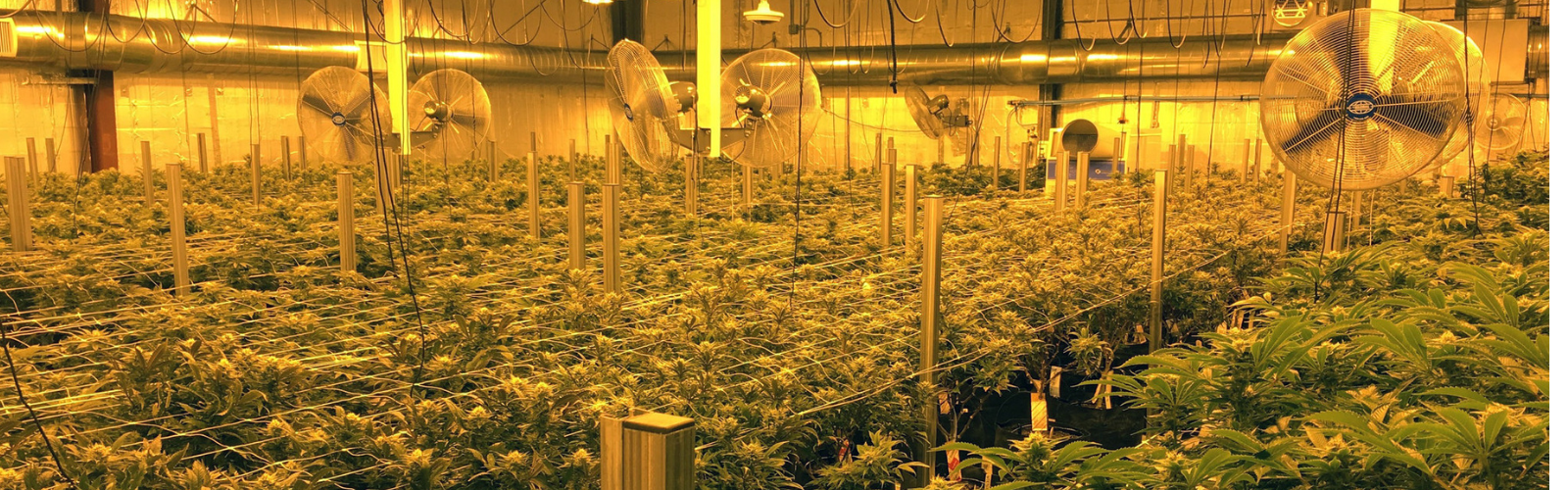
From the early 2000s to today, cannabis breeding has undergone a radical transformation. What was once an art grounded in Mendelian genetics is now increasingly supported by genomic science and chemical analysis.
Twenty years ago, breeders working for seed banks relied mainly on phenotypic selection and repeated crossing over several generations to stabilise desired traits such as potency, aroma or yield. Achieving a consistent variety could take years, and given the risks and high market value of the product, maximising THC and productivity was often the priority. As a result, for decades the prevailing mindset was "THC above all else."
This landscape began to change in the mid-2010s with the sequencing of the cannabis genome and the emergence of modern genomic tools. In 2011, the first draft of the cannabis genome was published, and since then researchers have identified key genes involved in cannabinoid synthesis. A recent milestone came from a Canadian study published in The Plant Genome, which analysed 174 plants with different cannabinoid profiles and identified 33 genetic markers linked to cannabinoid production.
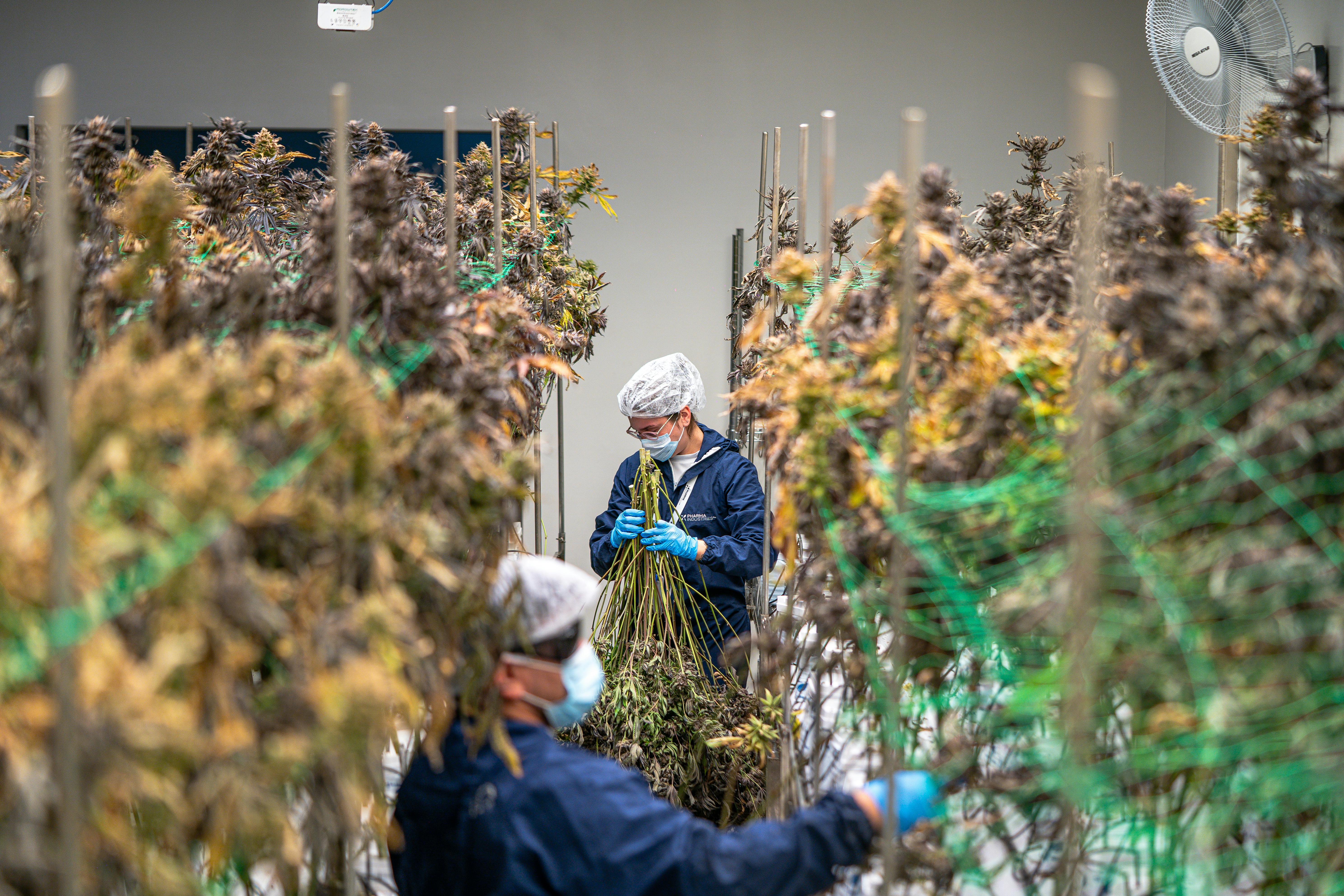
A "marker" is a DNA sequence associated with a specific trait-such as morphology, terpene production or cannabinoid profile. By analysing these markers, breeders can predict a plant's characteristics without waiting for it to complete its life cycle. This doesn't replace the breeder's eye, but it significantly shortens development timelines.
THC Is No Longer the Only Protagonist
During the decades of prohibition, the market pushed cannabis breeding into a race for potency-a trend clearly reflected in the steady rise of THC levels since the 1990s.
Today, that approach has shown its limits: more THC does not necessarily mean a better experience. As a result, modern breeding increasingly focuses on a more holistic concept-the chemovar, or the plant's complete chemical profile.
Cannabinoids such as CBD, CBG, THCV or CBN have gone from being minor footnotes to becoming clear breeding targets. In regulated markets, there is room for all kinds of genetics-pure CBD, balanced ratios and more-designed to meet very different needs.
Terpenes: From Aroma to Genetic Identity
When the first cannabis hybrids emerged in California in the 1970s, the terms "indica" and "sativa" became shorthand for describing plant morphology and effects. Today, these labels are largely outdated. We now understand that both psychoactive and therapeutic effects depend on the synergy between many compounds-not only THC or CBD levels, but also secondary cannabinoids and the strain's terpene profile.
Terpenes-the volatile molecules responsible for cannabis aroma and flavour-have taken centre stage. Once considered a purely sensory bonus, they are now known to modulate the effects of THC and other cannabinoids, playing a key role in shaping the overall experience.
The Impact of the Market: Between Innovation and Homogenisation
Legalisation has made it possible to research, measure and professionalise cannabis breeding like never before. At the same time, it has created clear commercial pressure to produce varieties that meet very specific requirements. This demands a high level of genetic stability-particularly important given cannabis's medical applications, where composition must be precise and consistent.
This has led to increased homozygosity in plant DNA, narrowing the genetic pool by eliminating recessive genes associated with unwanted traits. The result is greater stability but reduced "rusticity"-the plant's ability to adapt to challenging environments. In short, modern varieties are more uniform, but often less resilient.
In addition, demand for certain traits-and, inevitably, trends-has meant that many varieties share the same foundational lineages and prioritise similar characteristics. This creates an obvious risk: loss of genetic diversity, a pattern already seen in other agricultural crops.
Several experts warn that the cannabis industry, like other commercial crops before it, is heading towards a genetic "bottleneck." A 2025 study in California found that market pressure is driving many commercial growers to repeatedly choose the same "winning" genetics to meet average consumer expectations.
Are We Losing Valuable Genetic Lines?
Many modern varieties share a very similar genetic base-OG Kush, Skunk, Haze, Chem-due to decades of hybridisation focused almost exclusively on achieving very high THC levels.
This repetition of lineages has led to strong genetic homogenisation, at the expense of other traits such as resistance, aromatic complexity or adaptive capacity.
The phenomenon is not new. During prohibition, commercial cannabis hybrids displaced numerous landraces in historic producing regions such as Mexico, Thailand, India, Jamaica or Morocco, eroding their genetic heritage.
Today, even within legal frameworks, the spread of modern hybrids continues to dilute local genetics, resulting in what can only be described as "extinction by hybridisation." At the same time, the cannabis sector is increasingly concerned about emerging pathogens such as latent mosaic viruses or broad mites, whose rapid spread is facilitated by large-scale facilities filled with genetically identical clones. Greater genetic variability would act as a form of insurance, ensuring that some plants naturally carry resistance.
For this reason, many veteran breeders advocate conserving and reintroducing landrace genetics into modern breeding programmes. Fortunately, awareness of this issue is growing, and organisations and governments-such as those in Morocco or Colombia-have launched initiatives to catalogue and protect traditional varieties before they disappear.
In parallel, a craft movement of growers has emerged, deliberately cultivating rare or heirloom genetics to offer experiences beyond the dominant mainstream families (Cookies, Diesel and similar lines).
Classics vs Moderns: Which Cannabis Varieties Are Better?
The short answer is: it depends on what you're looking for.
Classic genetics such as Skunk #1, Northern Lights, White Widow or Haze were developed in the 1980s and 90s with one clear goal: reliability. They were vigorous, stable plants with well-defined-and often powerful-effects. Skunk #1 stood out for its robustness and consistency; Northern Lights for its resin production and deeply sedative effect; Haze for its unique cerebral high.
Modern genetics, by contrast, tend to have lower internal variability due to increased homozygosity and are designed to meet very specific needs. Hybrids like Girl Scout Cookies, Gelato or Gorilla Glue prioritise high THC levels, highly defined terpene profiles and strong commercial appeal.
A key feature of contemporary breeding is rapid adaptation: a successful genetic is quickly released in fast, autoflowering or CBD-rich versions to serve different user profiles.
The introduction of ruderalis genetics and the refinement of autoflowering strains has democratised cultivation-allowing growers even in northern climates to achieve generous harvests-while today's market offers everything from classic effects to intense sensory experiences and targeted medicinal uses.
There are no objectively better or worse strains-only genetics designed for different contexts, cultivation styles and experiences.
Genetics Have Evolved Because Cannabis Has Changed
In just 20 years, we have moved from breeding plants that merely survived-whether harsh climates or illegal conditions-to breeding plants that truly express.
Modern genetics do not replace classic ones; they expand, reinterpret and specialise them. The real progress is not only technical, but cultural. Today, we choose cannabis genetics knowing what we want to feel, how we plan to grow, and what we value in the plant. Understanding that evolution is, ultimately, part of growing with intention.
Comments from our readers
There are no comments yet. Would you like to be the first?
Leave a comment!Did you like this post?
Your opinion about our seeds is very important to us and can help other users a lot (your email address won't be made public).