


- Let us raise the curtain and introduce the full cast of cannabis’ aromatic symphony orchestra. We begin with the traditional conductors, the terpenes.
- But we also welcome some newly discovered soloists: the powerful Volatile Sulphur Compounds (VSCs), the sweet esters, the colourful flavonoids, and other molecular families which, in precise harmony, create the complete sensory experience that defines each strain.
- This journey into the plant’s chemical core is not just to satisfy curiosity. It is designed to empower every grower with the knowledge needed to understand, enhance and, above all, preserve the incredible symphony hidden within the flowers.
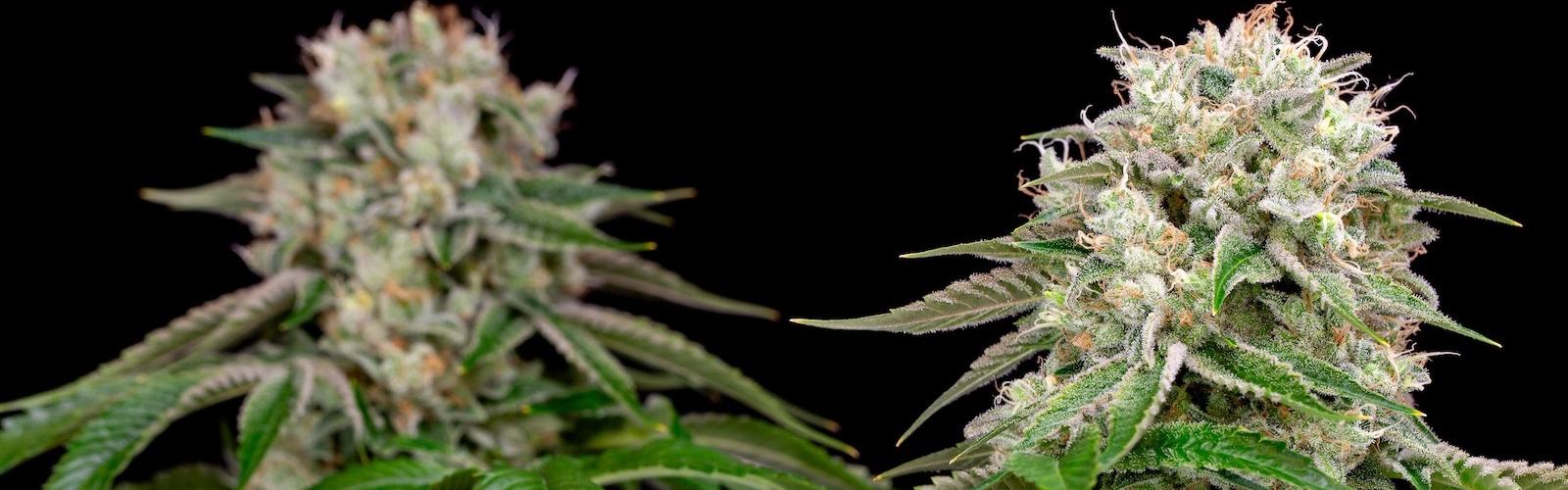
Every grower recognises that magical moment when a jar of perfectly cured buds is opened and a wave of aromas fills the room. It might be the pungent, almost offensive blast of a Skunk, the uplifting citrus sweetness of a Haze, or the complex, fruity undertones of a Kush. This aroma is much more than just a smell. It is the strain's signature, a promise of its quality, lineage, and the effects it will produce.
For years, the answer to how this aroma is created was summed up in a single word: terpenes. However, this explanation only tells half the story. It is a simplification that conceals a far more fascinating reality found within a molecular universe of astonishing complexity.
The Aromatic Orchestra Beyond Terpenes
Before exploring the latest discoveries, we must first pay tribute to the compounds that have rightfully dominated the conversation around cannabis aroma. These are the terpenes, volatile hydrocarbons that in nature serve as a shield against predators and a signal to attract pollinators. In our jars, they are the main architects of the aromatic palette.
The most familiar of these are the monoterpenes. These light, volatile top notes such as myrcene (earthy, fruity), limonene (bright citrus), pinene (pine resin), and the complex terpinolene (floral and fruity) are the first to greet our noses. However, they are also the most fragile, vulnerable to heat and air.
Providing body and depth to the aroma are the sesquiterpenes, which are larger and more persistent molecules. Among these are caryophyllene, with its peppery, spicy scent and unique ability to act as an anti-inflammatory cannabinoid, humulene, which is earthy and woody like hops, and linalool, known for its unmistakable and soothing lavender fragrance.
Understanding how volatile these compounds are is essential. Their boiling points vary, with humulene boiling at 106°C and linalool at 198°C. This means that drying or curing at temperatures that are too high (even those above 21°C) will permanently destroy the more delicate aromatic notes. This highlights how temperature control is the first crucial step in mastering the art of aroma.
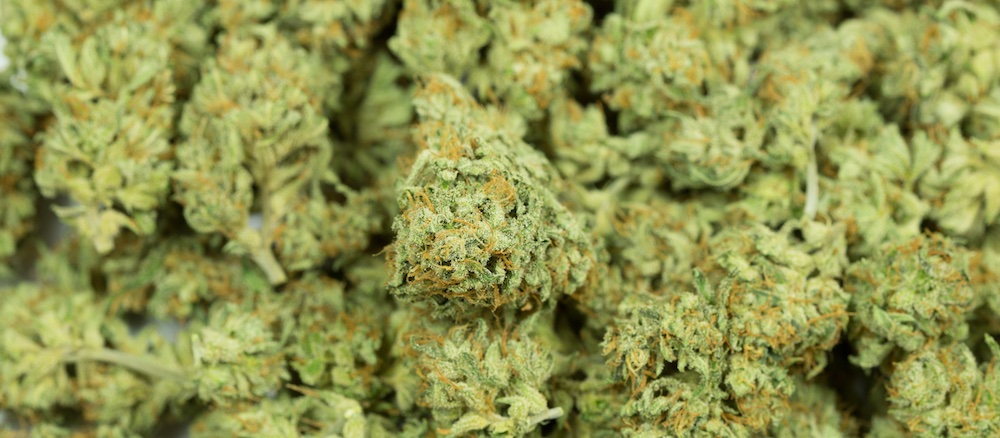
The Revelation and Solo Role of Volatile Sulphur Compounds (VSCs)
But this is not where the story ends. One mystery persisted for decades. Where does that unmistakable, penetrating "skunk" or "gassy" (diesel-like) aroma come from? Terpene profiles alone could not account for it. The answer came thanks to the persistence of research teams such as Abstrax Tech, who used advanced analysis technology to identify a new family of molecules. These are the prenylated Volatile Sulphur Compounds (VSCs), nicknamed "cannasulphur compounds".
The standout molecule in this group is 3-methyl-2-butene-1-thiol (VSC3), which is primarily responsible for the skunk aroma. To put its strength into perspective, this is the same molecule that forms in beer when exposed to light, producing that familiar "skunky" or cat-urine smell. Its detection threshold is so low that even trace amounts dominate the strain's aromatic profile.
Other VSCs such as VSC4 introduce saltier, umami-like undertones, while VSC6 brings in garlicky aromas. This connection with garlic is particularly intriguing because cannabis VSCs share a remarkably similar structure with garlic compounds. These are known for their health benefits and this opens up exciting possibilities for further research into the therapeutic potential of these molecules.
This discovery is highly significant. Iconic strains such as OG Kush and its many descendants are known for their fuel-like aroma. We now understand that this trait is not the result of a terpene blend, but rather the presence of VSC-producing metabolic pathways. This is a genetic feature that breeders can now target for more accurate selection.
The Specialist Soloists: Other Key Players in the Aromatic Palette
But the orchestra includes more soloists. When a strain enchants us with clear notes of banana, strawberry or pineapple, the source is usually the esters. These compounds are created by the reaction between an alcohol and an acid, and are responsible for fruity aromas throughout the natural world. Over 30 esters have been identified in cannabis, including ethyl hexanoate (apple) and n-propyl hexanoate (pineapple and blackberry). They are extremely volatile and delicate, requiring very careful handling after harvest and storage at low temperatures to preserve them.
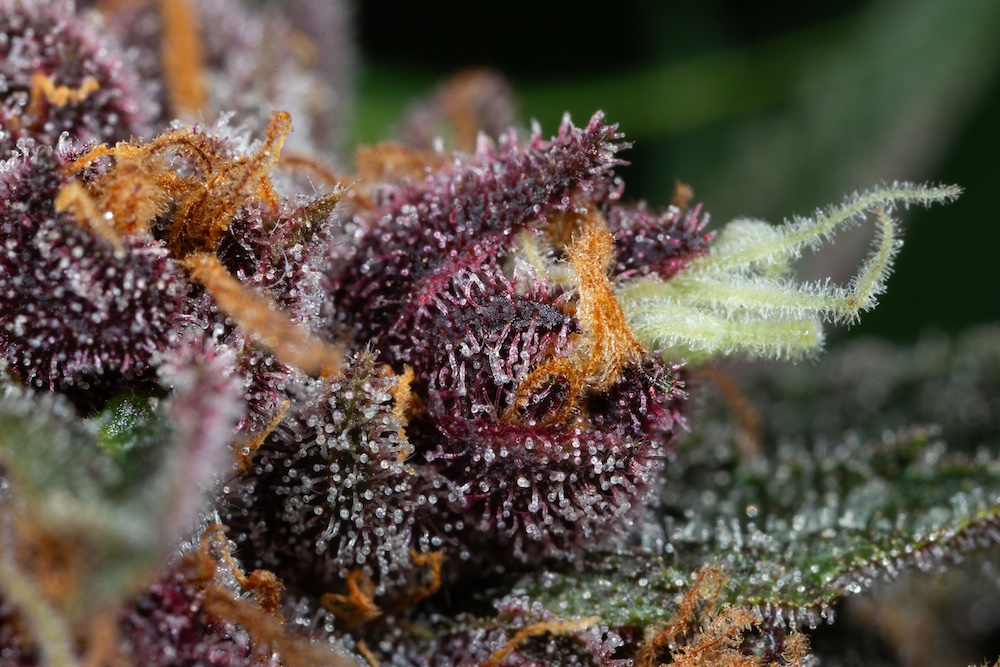
Also contributing are the flavonoids, which add colour and flavour. These pigments give buds their purple and yellow hues and protect the plant from UV rays. Although their contribution to aroma is more subtle, they influence flavour with astringent or bitter notes. Cannabis produces unique flavonoids known as cannaflavins A, B and C, which not only stand out but also show powerful anti-inflammatory properties.
In addition, other molecular families such as phenols, aldehydes and ketones contribute further layers of complexity. These may introduce notes ranging from medicinal and smoky to hints of cinnamon or almond.
The Final Recording: From Lab to Grow Room
The concept of the "entourage effect", which suggests that cannabis compounds work better together, needs to be reconsidered. It is not only about the interaction between cannabinoids and terpenes. Rather, it is the synergy of the entire molecular orchestra, which includes cannabinoids, terpenes, VSCs, esters and flavonoids, all functioning in unison.
What really matters is not only the presence of these compounds, but their relative proportions. A strain rich in limonene but also high in VSCs will not smell like sweet lemon. Instead, it will exhibit that distinctive "gassy-lemon" profile typical of strains like Chem or Diesel.
This interplay is what creates the boundless variety of aromas. Consider two iconic cannabis families. Haze strains (such as Critical +) owe their complex, citrusy, spicy and sometimes incense-like bouquet to a rich terpene blend, especially terpinolene. On the other hand, the Kush family (such as OG Kush), although also containing plenty of myrcene and limonene, owes its unmistakable fuel or "gassy" scent to the presence of Volatile Sulphur Compounds (VSCs). This explains why two strains with similar dominant terpenes can smell so different. The presence of VSCs is the chemical and genetic hallmark of a true Kush.
This understanding has clear, practical consequences for growers. Research shows that VSC levels rise significantly during the final weeks of flowering. Harvesting too early means missing out on the strain's full diesel potential. Patience during this final stage will reward you with a much more intense aroma.
Drying may be the most critical step of all. Fast drying at temperatures above 22°C is the number one enemy of delicate notes. Monoterpenes and esters are the first to evaporate, leaving behind a bland, hay-like scent. The ideal is always a slow, cool drying process, ideally between 15–20°C, with relative humidity kept between 50–60%.
Curing is where science turns into art. During this phase, not only does chlorophyll break down, but the final biochemical reactions push VSC production to its absolute peak. Skipping or rushing the cure is the biggest mistake for anyone seeking a powerful aroma. It is during the quiet patience of curing that a good flower becomes an exceptional one.
Lastly, we must consider storage. The most desirable compounds, including the VSCs, are also the most fragile. Their levels can drop dramatically within just one week in a jar. This makes it crucial to use airtight glass containers, stored in a cool, dark place, and to use humidity control packs to minimise degradation. The best aroma comes from flowers that are consumed shortly after a perfect cure.
Towards a Future of Designed Aromas
We have journeyed from the surface of cannabis aroma, once dominated by the oversimplified idea of terpenes, into the depths of its chemical complexity. In doing so, we have discovered a molecular orchestra of extraordinary detail. This knowledge is power. It allows growers to move from being passive observers to active conductors, capable of selecting genetics, timing harvests, and controlling drying and curing in order to unlock the full potential of every plant.
Looking to the future, this science paves the way for a new era of "designer cannabis", where strains can be bred with specific molecular profiles to deliver bespoke sensory and therapeutic experiences. The smell of your weed is no longer a mystery. It is a science you can now understand and master.
Comments from our readers
There are no comments yet. Would you like to be the first?
Leave a comment!Did you like this post?
Your opinion about our seeds is very important to us and can help other users a lot (your email address won't be made public).