


- For decades, cannabis has carried the weight of a phrase steeped in negative connotations: the so-called “gateway drug”, suggesting that its use was an almost unavoidable first step towards more dangerous substances.
- However, both time and science have undermined this idea. Today, social and environmental factors are widely seen as more plausible explanations than any direct causal link between one plant and another.
- As the stigma begins to fade, a new perspective is taking root — one that reshapes the idea of a “gateway” entirely.
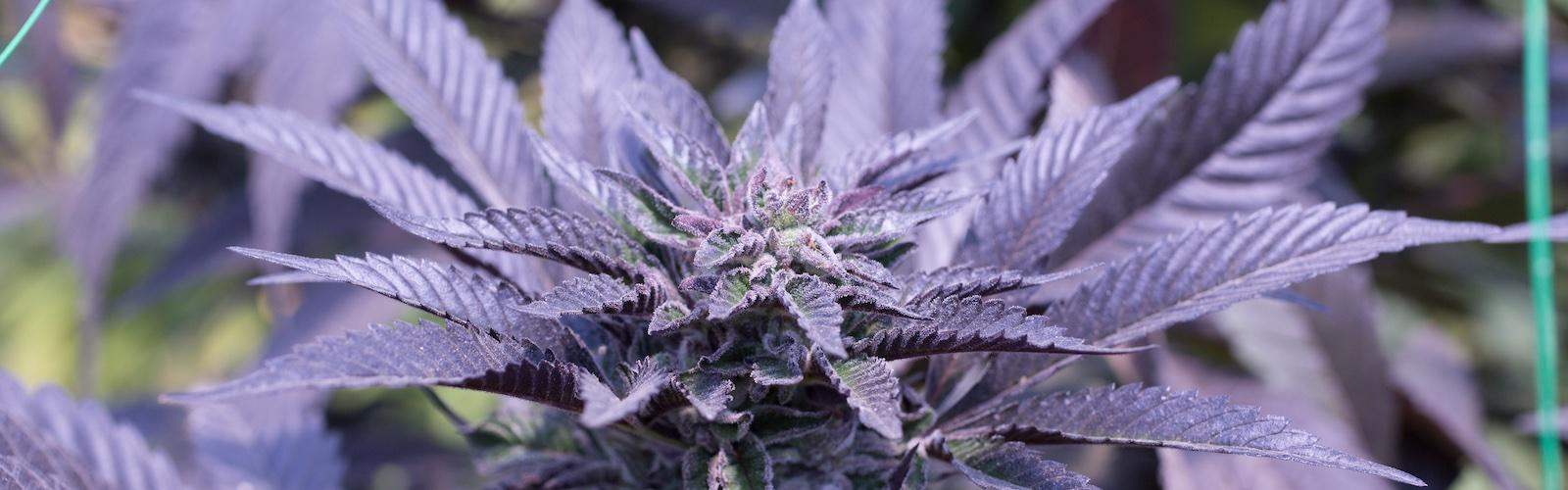
This story isn't unfolding in shadowy alleys or sensationalist headlines, but in thousands of back gardens, balconies, and grow tents across the world. The evidence increasingly suggests that cannabis, far from being a path to addiction, is becoming something far more constructive: a gateway crop.
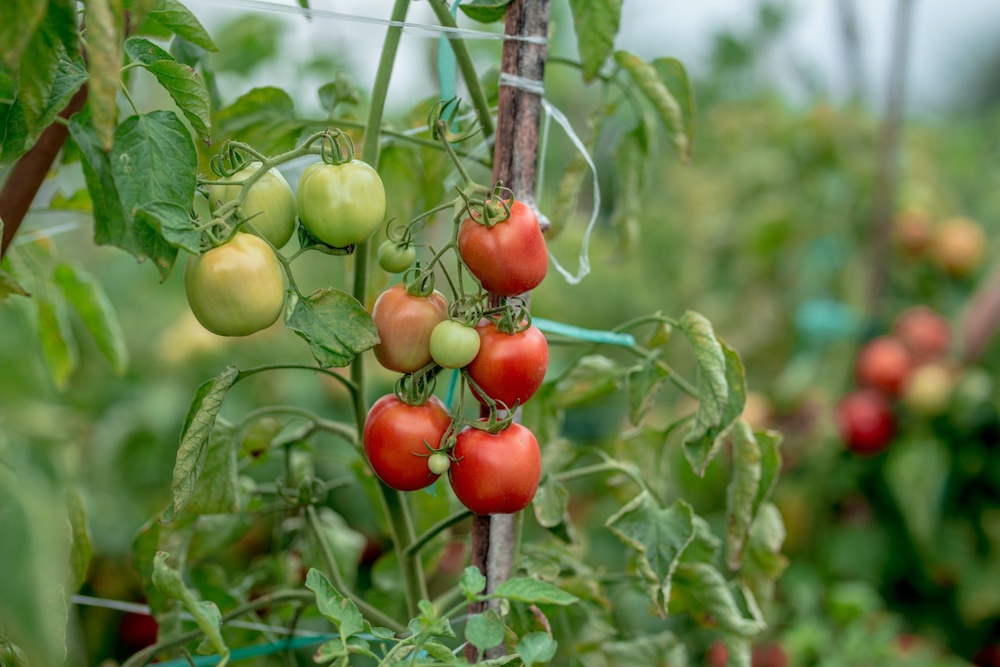
A revealing survey conducted by Homegrown Cannabis Co. has put numbers to this growing anecdotal trend. Two-thirds (66%) of home cannabis growers reported that caring for their own plants inspired them to start growing tomatoes. This article delves into this fascinating transformation, exploring how the act of growing cannabis is equipping a new generation with valuable horticultural skills, building confidence and paving the way to food self-sufficiency.
The shift from "gateway drug" to "gateway crop" is not just a clever turn of phrase: it reflects the wider normalisation of cannabis. As legalisation brings this activity out of the shadows (like in parts of the United States and Germany, where self-cultivation is allowed), the narrative moves from criminality to horticulture. It is in this new context that we can begin to see cannabis for what it truly is: a plant that, once mastered, becomes an unlikely but effective teacher.
A Botanical Bridge from Garden to Table
The Homegrown Cannabis Co. survey, which gathered data from 1,327 home growers, not only confirmed a trend but it gave it definition. The fact that 66% of cannabis growers felt encouraged to grow tomatoes is striking on its own. But perhaps even more telling is that nearly one out of four said their first tomato crop came years after their initial cannabis harvest, indicating a long-lasting effect.
What's more, this shift doesn't stop with tomatoes. It extends to basil, strawberries, chillies, cucumbers, and lettuces. What begins as the desire to grow a particular plant soon evolves into a broader lifestyle, linking the hobby directly to the kitchen table.
This evolution is no coincidence: it's grounded in a strong botanical connection. The skills needed to grow high-quality cannabis are highly transferable to other crops, especially tomatoes. By learning to care for a relatively demanding plant, growers acquire an intermediate level of expertise that makes food gardening feel much more approachable.
Why Cannabis Is the Perfect Master of Horticulture
One of the first advanced concepts that cannabis growers must understand is pH, the measure of soil acidity that determines how well plants absorb nutrients. The optimal pH range for cannabis grown in soil (6.0 to 7.0) closely mirrors that of tomatoes (5.5 to 7.0). By mastering this variable, growers acquire a fundamental skill that helps prevent most nutrient deficiencies across a wide variety of garden plants.
Similarly, any serious grower should become familiar with N-P-K: nitrogen, phosphorus, and potassium, the three essential macronutrients. Cannabis requires a high dose of nitrogen during its vegetative stage, followed by increased phosphorus and potassium during the flowering. This same principle applies to fruiting plants like tomatoes, which also need nitrogen to grow and then phosphorus and potassium to develop flowers and fruits.
Beyond soil chemistry, the environmental needs of both plants are remarkably similar. Both love sunlight (they should ideally receive between six and eight hours of direct light exposure). They prefer a well-drained soil and often benefit from support structures to bear the weight of their branches and fruit.
But cannabis isn't just a master but quite a demanding one. The high value placed on its harvest motivates growers to research and apply advanced techniques, from photoperiod control to plant training and post-harvest curing processes. By navigating this steep learning curve, they unknowingly complete an accelerated course in horticulture. As one respondent put it, "Mastering cannabis made food gardening seem easy".
From Confidence to Food Sovereignty
The journey of cannabis cultivation offers far more than just technical know-how. Alongside the plant, traits like patience, attention to detail, and resilience also take root. A successful harvest provides a strong sense of purpose and a genuine confidence boost. Growers become problem solvers, diagnosing the causes of yellowing leaves, testing solutions, and observing outcomes - a cycle of action and reflection that has value far beyond the garden.
This newly acquired expertise fits perfectly with the indoor growing equipment many will have already invested in. Grow tents, LED lights, and ventilation systems become personal micro farms, allowing for year-round cultivation and drastically reducing the barriers of entry for indoor agriculture.
Suddenly, it is possible to grow fresh herbs in the middle of winter or start pepper seedlings weeks before the final frost. For many growers, the next step is experimenting with medicinal herbs, a natural evolution for those interested in herbal medicine. These plants often require similar growing conditions, as well as careful harvesting and curing practices that cannabis growers are already familiar with.
On a broader level, this trend ties into global movements like urban farming and food sovereignty, which are the right of communities to define their own food and agricultural systems. Every home grower who started with cannabis and now harvests their own vegetables becomes an active participant in this shift. Each home-grown vegetable is a small but meaningful act of independence from the industrial food chain. In this sense, the legalisation of domestic cannabis cultivation has an important side effect: it empowers thousands of people with the tools and knowledge needed to produce their own food.
A Garden of Possibilities
This journey has taken us from the deconstruction of a tired myth to the tangible evidence that is thriving in gardens around the globe. The picture is becoming increasingly clear: for the vast majority, cannabis is not a gateway to substance abuse. It is a gateway to a deeper, greener, and more rewarding passion: the art and science of farming. It is a catalyst that transforms consumers into producers, and passive observers into active participants in the cycle of life.
For our community of growers, the message is one of empowerment. The next time you hold a cannabis seed, we encourage you to see it not only as the beginning of a future harvest but as the first step in a journey of lifelong learning. It is an entry point into a school of practical horticulture and the start of a garden that may soon be full of fresh and tasty food. The true "gateway" offered by cannabis doesn't lead to darkness, but to a world of possibilities growing straight from the soil.
Comments from our readers
There are no comments yet. Would you like to be the first?
Leave a comment!Did you like this post?
Your opinion about our seeds is very important to us and can help other users a lot (your email address won't be made public).